

Lean-burn engines have gained significant popularity in recent years due to their potential to improve fuel efficiency and reduce emissions. At the heart of these engines lies the gasoline injector, a critical component that plays a pivotal role in the combustion process. As a leading supplier of gasoline injectors, I am excited to delve into the fascinating world of how gasoline injectors work in a lean-burn engine.
Understanding Lean-Burn Engines
Before we explore the operation of gasoline injectors in lean-burn engines, it's essential to understand what lean-burn technology entails. In a traditional engine, the air-fuel mixture is typically stoichiometric, meaning it contains the exact ratio of air to fuel (14.7:1 for gasoline) required for complete combustion. In contrast, lean-burn engines operate with an excess of air, resulting in an air-fuel ratio that can be as high as 25:1 or even higher.
The primary advantage of lean-burn engines is their improved fuel efficiency. By using less fuel and more air, the engine can extract more energy from each combustion cycle, leading to better mileage and reduced fuel consumption. Additionally, lean-burn engines produce fewer emissions, particularly nitrogen oxides (NOx), which are a major contributor to air pollution.
The Role of Gasoline Injectors in Lean-Burn Engines
Gasoline injectors are responsible for delivering the precise amount of fuel into the engine's combustion chamber at the right time. In a lean-burn engine, this task becomes even more critical, as the injector must ensure that the fuel is evenly distributed throughout the excess air to achieve efficient combustion.
There are two main types of gasoline injectors used in lean-burn engines: port fuel injectors (PFIs) and direct fuel injectors (DFIs).
Port Fuel Injectors (PFIs)
Port fuel injectors are located in the intake manifold, just upstream of the intake valves. When the engine's intake valve opens, the injector sprays a fine mist of fuel into the intake port, where it mixes with the incoming air before entering the combustion chamber.
In a lean-burn engine, PFIs must be carefully calibrated to deliver the correct amount of fuel to maintain the desired air-fuel ratio. This requires precise control of the injector's opening time and spray pattern. Additionally, PFIs must be able to atomize the fuel into a fine mist to ensure proper mixing with the air.
Direct Fuel Injectors (DFIs)
Direct fuel injectors, on the other hand, are located directly in the combustion chamber. They inject the fuel directly into the cylinder, where it mixes with the compressed air just before ignition.
DFIs offer several advantages over PFIs in lean-burn engines. First, they can deliver the fuel more precisely, allowing for better control of the air-fuel ratio. Second, they can inject the fuel at higher pressures, which helps to atomize the fuel more effectively and improve combustion efficiency. Finally, DFIs can inject the fuel at different times during the engine's cycle, allowing for more flexibility in the combustion process.
How Gasoline Injectors Work
Regardless of the type of injector used, the basic principle of operation is the same. Gasoline injectors are essentially solenoid valves that are controlled by the engine's electronic control unit (ECU). When the ECU sends a signal to the injector, an electrical current is applied to the solenoid, which creates a magnetic field. This magnetic field pulls a plunger or needle valve open, allowing fuel to flow through the injector and into the engine.
The amount of fuel delivered by the injector is determined by the duration of the electrical signal sent by the ECU. The longer the signal, the longer the injector remains open, and the more fuel is delivered. The ECU uses a variety of sensors to monitor the engine's operating conditions, such as engine speed, load, temperature, and oxygen levels, to determine the appropriate amount of fuel to deliver.
In a lean-burn engine, the ECU must be programmed to deliver less fuel and more air to maintain the desired air-fuel ratio. This requires precise control of the injector's opening time and spray pattern. Additionally, the ECU must be able to adjust the fuel delivery in real-time to compensate for changes in the engine's operating conditions.
Challenges and Solutions in Lean-Burn Engine Injector Technology
While lean-burn engines offer significant advantages in terms of fuel efficiency and emissions reduction, they also present several challenges for gasoline injector technology. One of the main challenges is ensuring proper fuel atomization and mixing in the excess air. If the fuel is not evenly distributed throughout the air, it can lead to incomplete combustion, reduced power output, and increased emissions.
To address this challenge, injector manufacturers are developing advanced injector designs and technologies. For example, some injectors use multiple nozzles or a special spray pattern to improve fuel atomization and mixing. Others use high-pressure injection systems to increase the fuel's velocity and improve its penetration into the air.
Another challenge in lean-burn engine injector technology is preventing carbon deposits from forming on the injector tips. Carbon deposits can clog the injector nozzles, reducing fuel flow and affecting the injector's performance. To prevent carbon deposits, injector manufacturers are using special coatings and materials on the injector tips, as well as developing advanced fuel additives that help to keep the injectors clean.
Our Gasoline Injector Products
As a leading supplier of gasoline injectors, we offer a wide range of products designed to meet the needs of lean-burn engines. Our injectors are manufactured using the latest technology and materials to ensure high performance, reliability, and durability.

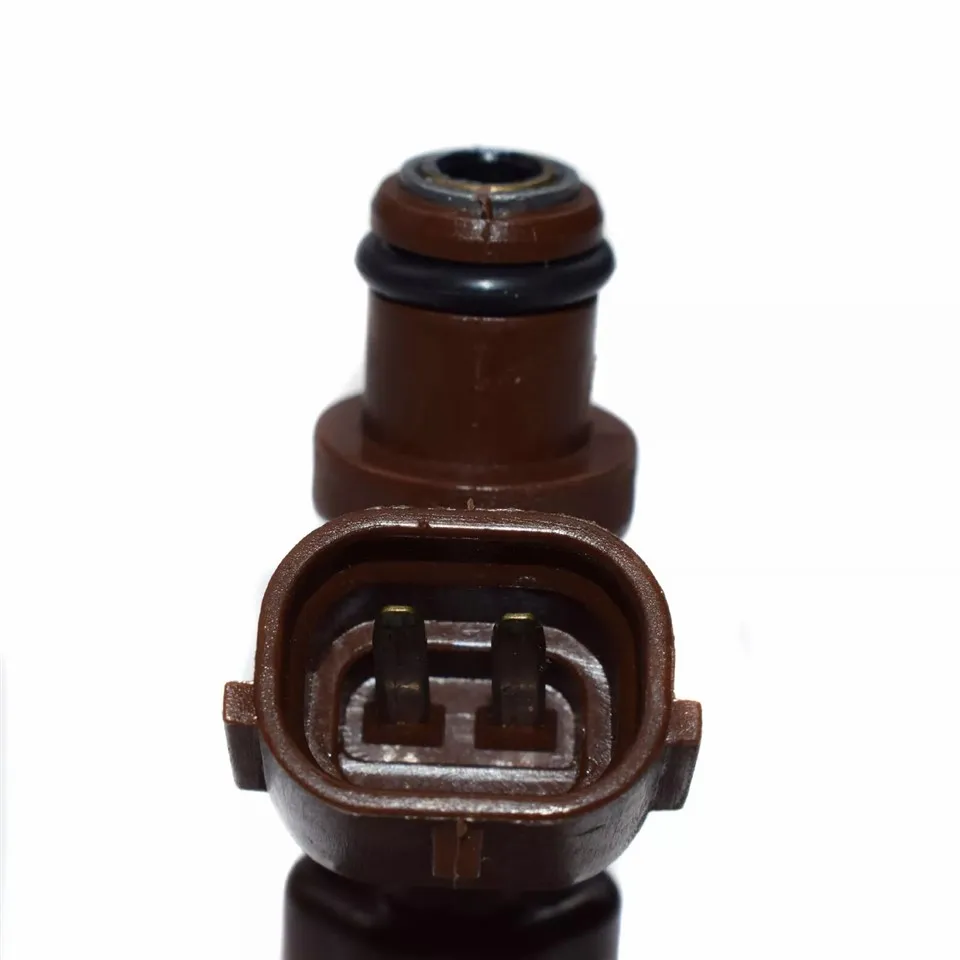
One of our popular products is the Bosch Ev14 High-flow Fuel Injectors. These injectors are designed to deliver a high volume of fuel at high pressures, making them ideal for lean-burn engines with high power requirements. They feature a unique multi-hole design that provides excellent fuel atomization and mixing, ensuring efficient combustion and reduced emissions.
We also offer Bosch Gasoline Fuel Injectors, which are known for their reliability and performance. These injectors are designed to meet the strictest quality standards and are compatible with a wide range of lean-burn engines.
In addition, we have 2014 Hyundai Gdi 2 Liter Fuel Injectors that are specifically designed for Hyundai's direct injection engines. These injectors are engineered to deliver precise fuel delivery and excellent performance, ensuring optimal engine operation and fuel efficiency.
Contact Us for Your Gasoline Injector Needs
If you are looking for high-quality gasoline injectors for your lean-burn engine, look no further. Our team of experts is dedicated to providing you with the best products and services to meet your needs. Whether you are a car manufacturer, a mechanic, or a DIY enthusiast, we have the right injector for you.
Contact us today to learn more about our gasoline injector products and how they can benefit your lean-burn engine. We look forward to working with you to improve your engine's performance, fuel efficiency, and emissions.
References
- Heywood, J. B. (1988). Internal Combustion Engine Fundamentals. McGraw-Hill.
- Stone, R. (2012). Introduction to Internal Combustion Engines. Pearson.
- Taylor, C. F. (1985). The Internal Combustion Engine in Theory and Practice. MIT Press.