

If you’ve ever watched a tire technician pull a new TPMS (Tire Pressure Monitoring System) sensor from its packaging, you might notice that tiny, often overlooked component that sits between the sensor and the wheel rim—the seal. I’ve been running our TPMS replacement supply business for six years now, and I can’t tell you how many times we’ve gotten calls from customers who installed a brand-new sensor only to deal with slow leaks, tire pressure errors, or even flat tires a week later. Nine times out of ten, the root cause isn’t a faulty sensor—it’s a failed seal. Seals might seem like a trivial part of the TPMS replacement process, but they’re critical to keeping air locked inside the tire and preventing moisture from corroding the sensor’s delicate electronics. Today, I want to walk you through exactly how to ensure that new tire pressure sensor seals properly every single time, so you can avoid the headaches that come with a botched installation.
First, let’s set the stage for why seals matter. TPMS sensors aren’t just little battery-powered computers that read pressure—they’re mounted directly to the valve stem or wheel, and their seal is the only barrier between the pressurized air in your tire and the outside air. A bad seal can cause a leak as small as 1 PSI per month, which the TPMS will flag as a low-pressure warning, even if your tires are properly inflated. Worse, if moisture gets past a faulty seal, it can short out the sensor’s circuit board, turning a minor installation mistake into a needless premature sensor replacement. I’ve seen this happen with every make and model we supply, from domestic sedans to imported SUVs—including those specific models we stock like Bmw Tire Pressure Sensor units for European luxury owners. The Bmw Tire Pressure Sensor line, for example, uses a rubber seal custom-sized to fit BMW’s specific valve stem threads, so using a generic seal here is a quick way to create a gap that will lead to leaks.
Before we even get to the installation step, there’s a pre-installation check that’s non-negotiable: verifying that you have the right seal for your sensor and vehicle. This sounds obvious, but you’d be shocked at how many people grab the cheapest seal they can find, regardless of compatibility. Seals come in two main types: rubber o-rings (most common for valve-mounted sensors) and integral valve seals (molded into the sensor’s valve stem). For example, when replacing a sensor on a Toyota, you’ll need a seal designed to fit Toyota’s standard valve stem diameter, which differs slightly from the one used on Honda CR-Vs. If you’re working on a Honda CR-V, our Honda Crv Tire Pressure Sensor products come with a precision-machined rubber o-ring that’s tested to withstand 60 PSI of pressure—way more than the 30-35 PSI most passenger tires run at. That extra margin is why it’s important to use manufacturer-compatible seals, not universal ones.
Next, when you’re prepping the wheel and the sensor for installation, cleaning is key. Dirt, road grime, old rubber residue, or even a tiny piece of metal shavings on the wheel’s valve stem or sensor mounting surface can create a gap that breaks the seal. I always tell our customers to take 60 seconds to wipe down both the valve stem and the sensor’s sealing surface with a lint-free cloth and a little isopropyl alcohol. Don’t use a paper towel—they leave tiny fibers that can get trapped between the seal and the surface, causing leaks. Also, take a minute to inspect the valve stem itself for corrosion or bends. If the valve stem is bent, even a perfect seal won’t sit flush, and if there’s rust buildup, scraping it off with a wire brush will leave scratches that create air gaps. This is a step I learned the hard way early in my business: I once skipped cleaning a corroded valve stem for a Subaru sensor replacement, and the customer came back three days later with a slow leak. After that, I started emphasizing cleaning as step one, no exceptions.
Once everything’s clean and prepped, it’s time to handle the seal itself—whether it’s a separate o-ring or the molded-in type. Lubrication is a controversial topic in the TPMS world, but I’ve tested this enough to have a firm opinion: a tiny amount of tire-specific lubricant is necessary, but too much is a disaster. The goal of lubricating the seal isn’t to make it slippery for easy installation—it’s to help it slide into place without tearing, and to ensure it forms an even, airtight seal against the valve stem. If you use too much lubricant, though, it can create a thin layer of air between the seal and the surface, which will cause leaks. I recommend using a light, water-based lubricant (never petroleum-based, as it breaks down rubber over time) and applying a very thin coat to the seal’s inner and outer edges. For example, when replacing a Subaru sensor, our Subaru Tire Pressure Sensor Replacement kit includes a small tube of the exact lubricant we recommend, because using something else can void the seal’s warranty.
When you’re actually installing the sensor, don’t over-tighten the valve stem nut. This is another super common mistake that ruins seals. Too much torque can crush the rubber seal, compressing it so flat that it loses its elasticity and can’t bounce back to form a tight seal. Too little torque, and the seal won’t sit flush against the wheel, leaving a gap for air to escape. The recommended torque for most TPMS valve nuts is 5 to 8 Newton-meters (or 4 to 6 foot-pounds)—it’s a small number, but it’s non-negotiable. I always advise using a torque wrench for this step, not just a hand tool that can cause you to over-tighten without feeling it. This is also why part of checking the Tire Pressure Sensor Replacement Cost is factoring in the cost of a torque wrench if you don’t have one—skipping that tool is a false economy that will cost you more in callbacks.
Another thing to watch for when installing is making sure the seal isn’t twisted or rolled when you slide the sensor onto the valve stem. A twisted seal won’t sit evenly around the valve stem, so one side will be compressed too much and the other won’t make contact at all. To avoid this, hold the sensor straight as you slide it on, and spin it gently a quarter-turn after it’s in place to make sure the seal is laying flat. If you feel any resistance or hear a faint “crinkle” of rubber, that’s the seal twisting—pull it off and start over, don’t try to force it. I’ve had customers who tried to power through a twisted seal and ended up with a leaky tire that had to be re-seated, costing them more time than if they’d just taken the extra 10 seconds to adjust it.
After installation, there’s one final test to confirm the seal is working: the soapy water test. This is a simple, free step that catches 90% of seal-related issues before the car leaves the shop. Mix a small amount of dish soap with water in a spray bottle, then spray the area around the TPMS sensor seal once the tire is inflated to its recommended pressure (check the driver’s door jamb, not the tire sidewall, for the correct PSI). If you see any bubbles forming, that’s a leak. For example, if you just installed a Toyota Tire Pressure Sensor Replacement and you spot bubbles near the seal, you can either re-tighten the valve nut to the correct torque or remove the sensor, recheck the seal for damage, and re-install. I can’t stress enough how valuable this test is—it’s the last line of defense against a costly comeback.
Now, let’s talk about common pitfalls that even experienced technicians fall into. One big one is reusing old seals when a sensor is replaced. A seal that’s been used, even once, loses its elasticity, and the rubber can have tiny micro-cracks that you can’t see with the naked eye. Always install a brand-new seal with every new sensor—we include seals in every one of our sensor kits for that exact reason, so you never have to worry about scavenging an old one or buying a separate part. Another pitfall is ignoring wheel rim corrosion. If the wheel’s valve stem hole is corroded, the seal won’t be able to press against a smooth surface, no matter how well you prep. In those cases, you’ll need to sand the corrosion away with a fine-grit sandpaper before installing the new sensor, to create a smooth surface for the seal to grip.
I want to circle back to why this matters for our customers—whether you’re a professional technician or a DIYer doing your own tire work. A properly sealed TPMS sensor doesn’t just prevent leaks; it ensures your tire pressure is accurate, which is critical for fuel efficiency, tire lifespan, and safety. Underinflated tires wear out faster, reduce gas mileage, and are more likely to fail, while overinflated tires are prone to blowouts. The seal is the foundation of that system, so taking the time to get it right isn’t just a best practice—it’s a safety step.
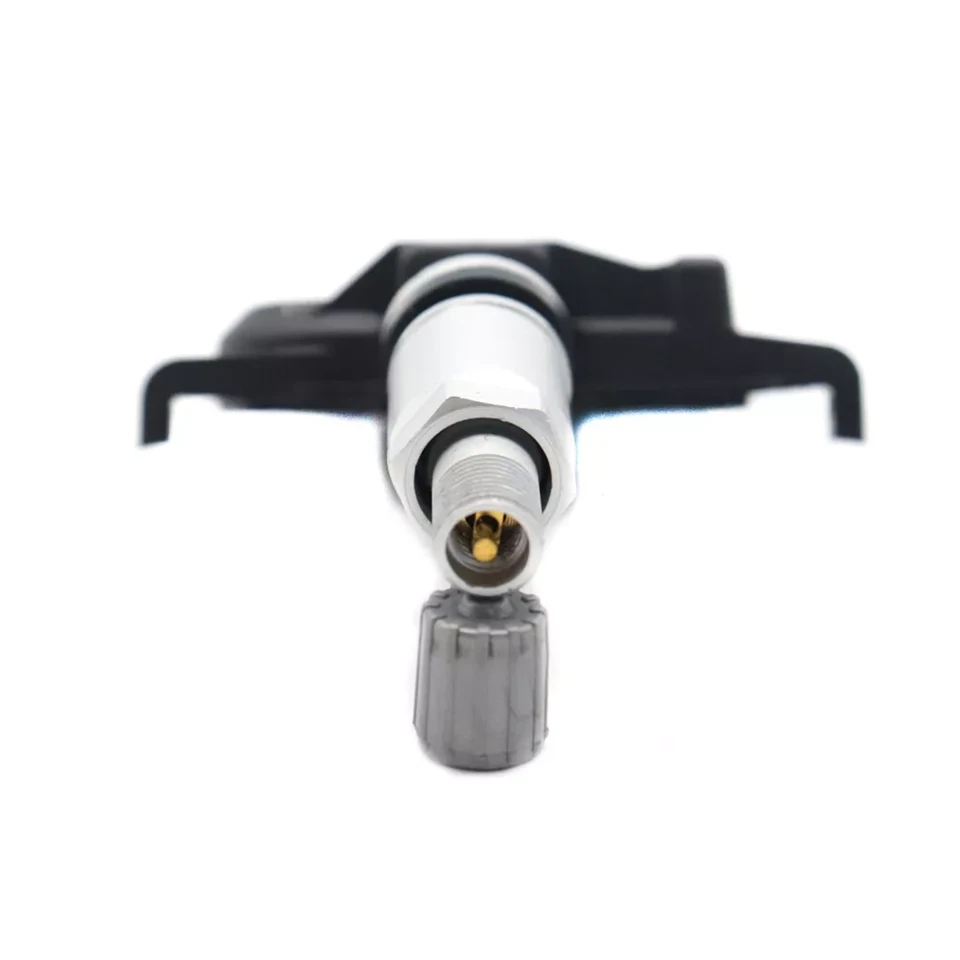

At our business, we’ve built our reputation on supplying high-quality, compatible TPMS sensors with seals that are tested to meet OE (Original Equipment) standards. We’ve invested in testing every seal we stock, from Bmw Tire Pressure Sensor units to our Toyota Tire Pressure Sensor Replacement lines, to make sure they can handle the pressure, temperature, and vibration of daily driving. We also offer free technical support for every customer who buys from us, because we know that even the best parts won’t work if they’re installed incorrectly.
If you’re a shop owner looking to partner with a reliable TPMS sensor supplier, or a DIYer wanting to stock up on quality parts for your next tire service, we’re here to help. Our team can answer any questions you have about seal compatibility, installation steps, or even help you calculate the right Tire Pressure Sensor Replacement Cost for your specific make and model. Whether you need bulk sensors for your shop or a single replacement for your personal vehicle, we have the parts and support you need to get the job done right the first time. Don’t let a faulty seal turn your tire work into a headache—reach out to us today to discuss your needs and get started.
References
- National Highway Traffic Safety Administration. (2021). TPMS Installation and Service Guidelines. Retrieved from NHTSA official technical resources
- Rubber Manufacturers Association. (2020). Seal Performance for Automotive Tire Components. RMA Engineering Bulletin
- Automotive Service Association. (2022). Best Practices for TPMS Sensor Replacement and Seal Inspection. ASA Technical Advisory