

Hey there! As a supplier of gasoline fuel injectors, I often get asked about how to measure the flow rate of these crucial components. Measuring the flow rate of a gasoline fuel injector is super important, as it directly impacts the performance of an engine. A fuel injector that doesn't deliver the right amount of fuel can lead to all sorts of problems, like poor fuel economy, rough idling, and even engine damage. So, let's dive into the details of how you can measure the flow rate of a gasoline fuel injector.
Why Measure the Flow Rate?
Before we get into the how - to, let's talk about why measuring the flow rate is so vital. The flow rate determines how much fuel is sprayed into the engine's combustion chamber during each injection cycle. If the flow rate is too low, the engine won't get enough fuel, resulting in a lean mixture. This can cause the engine to overheat and potentially misfire. On the other hand, if the flow rate is too high, you'll end up with a rich mixture, which means wasted fuel and increased emissions. So, getting the flow rate just right is key to keeping your engine running smoothly.
Tools You'll Need
To measure the flow rate of a gasoline fuel injector, you'll need a few tools. First off, you'll need a fuel injector flow tester. There are different types of these testers available on the market, from basic models to more advanced ones with digital displays. You'll also need a fuel pressure regulator to ensure that the fuel pressure remains constant during the test. A graduated cylinder is essential for collecting and measuring the amount of fuel that comes out of the injector. And of course, you'll need a power source to activate the injector.
Pre - test Preparations
Before you start measuring the flow rate, there are a few things you need to do. First, make sure the fuel injector is clean. Any dirt or debris in the injector can affect the flow rate and give you inaccurate results. You can use a fuel injector cleaner to remove any deposits. Next, check the fuel pressure. The fuel pressure should be set to the manufacturer's recommended level. You can use a fuel pressure gauge to measure the pressure and adjust the fuel pressure regulator if needed.
Measuring the Flow Rate
Now, let's get to the actual measurement. Connect the fuel injector to the flow tester according to the tester's instructions. Make sure all the connections are secure. Place the graduated cylinder under the injector to collect the fuel. Then, activate the injector using the power source. The injector should start spraying fuel into the graduated cylinder.
Let the injector run for a specific period, usually around 30 seconds to 1 minute. The length of time will depend on the tester and the type of injector. After the specified time, stop the injector and check the amount of fuel in the graduated cylinder. You can use the markings on the cylinder to determine the volume of fuel that was injected.
To calculate the flow rate, divide the volume of fuel (in milliliters) by the time (in seconds) and then multiply by 60 to get the flow rate in milliliters per minute (ml/min). For example, if you collected 150 ml of fuel in 30 seconds, the calculation would be (150 / 30) * 60 = 300 ml/min.
Comparing the Results
Once you've calculated the flow rate, you need to compare it to the manufacturer's specifications. Every fuel injector has a recommended flow rate range. If your measured flow rate falls within this range, then the injector is working properly. However, if the flow rate is too high or too low, the injector may be faulty and need to be replaced.
Common Issues and Troubleshooting
Sometimes, you may encounter issues when measuring the flow rate. One common problem is inconsistent flow. This could be due to a clogged injector or a problem with the fuel pressure. If you suspect a clogged injector, you can try cleaning it again or using a more powerful cleaner. If the fuel pressure is inconsistent, check the fuel pressure regulator and make sure it's working correctly.
Another issue could be a leaking injector. A leaking injector can cause the flow rate to be inaccurate. You can check for leaks by looking for fuel drips around the injector. If you find a leak, the injector will need to be repaired or replaced.
Our Range of Fuel Injectors
At our company, we offer a wide range of high - quality gasoline fuel injectors. For example, we have Delphi Fuel Injectors that are known for their reliability and performance. These injectors are designed to meet the strictest industry standards and provide consistent fuel delivery.
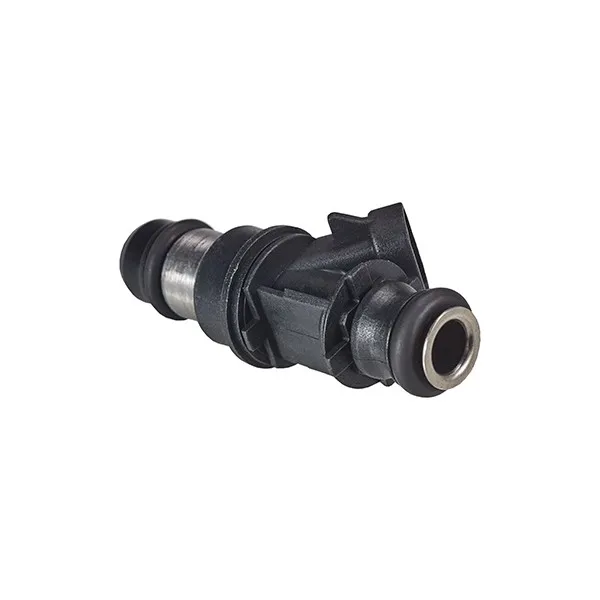

We also have 2014 Hyundai Gdi 2 Liter Fuel Injectors that are specifically designed for Hyundai engines. These injectors are engineered to deliver the right amount of fuel for optimal engine performance.
And if you're looking for a high - precision injector, our Bosch 4 Hole Fuel Injectors are a great choice. They offer improved fuel atomization and better fuel distribution, resulting in enhanced engine efficiency.
Contact Us for Your Fuel Injector Needs
If you're in the market for new fuel injectors or need more information about measuring flow rates, don't hesitate to reach out. We're here to help you find the right fuel injectors for your engine and ensure they're working at their best. Whether you're a mechanic, a car enthusiast, or a fleet manager, we have the products and expertise to meet your needs.
References
- "Automotive Fuel Injection Systems" by John Heywood
- "Fuel Injector Testing and Troubleshooting Guide" by AutoZone