

Hey there! As a supplier of gasoline fuel injectors, I've seen firsthand how crucial these little components are for an engine's performance. Today, I want to dive into what happens when a gasoline fuel injector gets damaged and how it impacts engine compression.
Let's start with the basics. A gasoline fuel injector is like the heart of your engine's fuel delivery system. It's responsible for spraying the right amount of fuel into the engine's combustion chamber at the right time. When everything's working smoothly, the fuel mixes with air, and the spark plug ignites the mixture, creating the power that moves your vehicle forward.
But what if the fuel injector gets damaged? Well, there are a few common ways this can happen. One of the most frequent causes is carbon buildup. Over time, deposits can form on the injector's nozzle, restricting the flow of fuel. Another culprit could be wear and tear from regular use or using low - quality fuel. Sometimes, electrical issues can also mess with the injector's operation.
Now, let's talk about how a damaged fuel injector affects engine compression. Engine compression is all about how well the engine squeezes the air - fuel mixture in the combustion chamber before ignition. It's a key factor in determining how efficiently your engine runs.
1. Incomplete Combustion
When a fuel injector is damaged, it might not spray the fuel evenly or in the right quantity. This can lead to incomplete combustion. Instead of a nice, clean burn, you end up with pockets of unburned fuel in the combustion chamber. Incomplete combustion means that the engine isn't using all the energy it could from the fuel. As a result, the pressure generated during the combustion process is lower than it should be. And since engine compression is closely related to the pressure in the combustion chamber, a damaged injector can cause a drop in compression.

For example, if the injector is clogged and only sprays a small amount of fuel in one area of the chamber, the air - fuel mixture won't be uniform. When the spark plug fires, only part of the mixture will burn properly, and the rest will just sit there. This uneven burning reduces the overall pressure in the chamber, which directly affects engine compression.
2. Misfires
A misfire occurs when the air - fuel mixture in the combustion chamber fails to ignite at the right time or doesn't ignite at all. A damaged fuel injector is a common cause of misfires. If the injector isn't delivering the right amount of fuel, the air - fuel ratio can be off. If there's too much air and not enough fuel, the mixture might be too lean to ignite. On the other hand, if there's too much fuel and not enough air, the mixture can be too rich.
Misfires are bad news for engine compression. When a misfire happens, the pressure in the combustion chamber doesn't build up as it should. Instead of a powerful explosion that drives the piston down, you get a weak or non - existent ignition. This can lead to a significant drop in compression, especially if the misfires are frequent. And if you ignore misfires for too long, it can cause further damage to the engine.

3. Loss of Power and Efficiency
As a result of incomplete combustion and misfires, your engine will start to lose power. With lower engine compression, the engine can't generate as much force to move the vehicle. You'll notice that your car feels sluggish, takes longer to accelerate, and might even have trouble climbing hills.
In addition to the loss of power, a damaged fuel injector also reduces fuel efficiency. Since the engine isn't burning the fuel properly, it has to work harder to achieve the same level of performance. This means you'll be using more fuel to go the same distance, which can really hit your wallet in the long run.
4. Increased Emissions
Another consequence of a damaged fuel injector is increased emissions. When the fuel doesn't burn completely, unburned hydrocarbons and other pollutants are released into the atmosphere. This not only harms the environment but can also cause your vehicle to fail an emissions test.
Higher emissions are directly related to the poor engine compression caused by the damaged injector. With incomplete combustion, the engine isn't able to convert the fuel into useful energy as efficiently, so more pollutants are left over and expelled through the exhaust system.
Solutions and Our Offerings
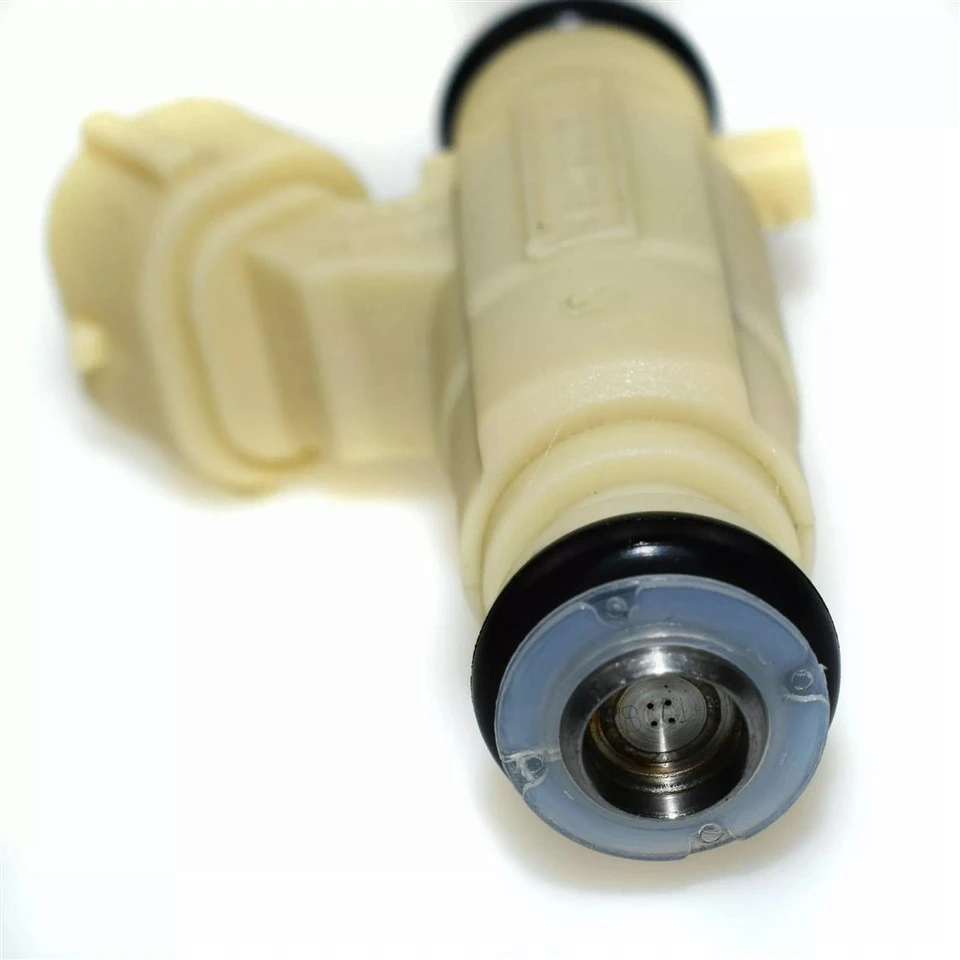
If you suspect that your fuel injector is damaged, it's important to get it checked out as soon as possible. At our company, we offer a wide range of high - quality fuel injectors to solve these problems. We have Gasoline Direct Injection Injectors, which are designed to provide precise fuel delivery for modern engines. These injectors can help improve engine compression, power, and fuel efficiency.
Our Fuel Injector Gasoline Engine products are built to last and are compatible with a variety of engine types. Whether you have a small - displacement engine or a high - performance one, we have the right injector for you.
And if you're using E85 fuel, we also have E85 Fuel Injectors. These injectors are specifically designed to handle the unique properties of E85 fuel and ensure optimal performance.
We understand that a damaged fuel injector can cause a lot of headaches, but with our products, you can get your engine back in top shape. Our injectors are rigorously tested to meet the highest standards, so you can trust that you're getting a reliable product.
If you're interested in our gasoline fuel injectors or have any questions about how they can improve your engine's performance, don't hesitate to reach out. We're here to help you find the right solution for your vehicle. Contact us today to start the procurement process and get your engine running smoothly again.
References
- "Automotive Fuel Injection Systems" by Jack Erjavec
- "Engine Performance Diagnosis and Repair" by James D. Halderman