

What is the response time of a tire pressure sensor?
As a tire pressure sensor supplier, I often encounter inquiries from customers about the response time of these crucial automotive components. The response time of a tire pressure sensor is a vital characteristic that directly impacts the safety and performance of a vehicle. In this blog post, I will delve into the concept of response time, its significance, and the factors that influence it.
Understanding Response Time
The response time of a tire pressure sensor refers to the duration it takes for the sensor to detect a change in tire pressure and transmit the corresponding data to the vehicle's onboard computer system. This time interval is measured from the moment the pressure change occurs to the point when the system receives and processes the updated information. A shorter response time is generally preferred, as it allows for quicker detection of potential tire issues, such as leaks or under - inflation, enabling timely action to be taken.
Significance of Response Time
- Safety: One of the primary reasons why response time is so important is safety. Under - inflated tires can lead to poor handling, increased braking distances, and even tire blowouts. A fast - responding tire pressure sensor can alert the driver to a pressure drop before it becomes a serious safety hazard. For example, if a tire punctures while driving on the highway, a sensor with a short response time can quickly notify the driver, allowing them to safely pull over and address the issue.
- Fuel Efficiency: Properly inflated tires are more fuel - efficient. When a tire is under - inflated, the rolling resistance increases, which means the engine has to work harder to move the vehicle. By detecting pressure changes promptly, a tire pressure sensor helps the driver maintain optimal tire pressure, thereby improving fuel economy and reducing emissions.
- Tire Longevity: Over time, under - inflated tires wear out more quickly. The uneven distribution of weight on the tire surface can cause premature tread wear and damage to the tire structure. A tire pressure sensor with a good response time can help prevent this by ensuring that the tires are always inflated to the recommended levels, extending their lifespan and saving the driver money in the long run.
Factors Affecting Response Time
- Sensor Technology: Different types of tire pressure sensors use various technologies, which can significantly affect their response times. For instance, direct tire pressure monitoring systems (TPMS) use sensors mounted inside the tire to measure pressure directly. These sensors typically have a faster response time compared to indirect TPMS, which estimate tire pressure based on wheel speed and other factors.
- Sensor Placement: The location of the sensor within the tire can also impact its response time. Sensors that are placed closer to the valve stem or in areas where pressure changes are more easily detected tend to have a quicker response. Additionally, the way the sensor is installed and secured can affect its ability to accurately measure pressure changes.
- Environmental Conditions: Temperature, humidity, and other environmental factors can influence the performance of a tire pressure sensor. Extreme temperatures, in particular, can cause the sensor's components to expand or contract, affecting its accuracy and response time. For example, in very cold weather, the air inside the tire contracts, which can lead to a temporary drop in pressure. A high - quality sensor should be able to compensate for these environmental changes and still provide accurate and timely readings.
Response Time in Different Vehicle Models
The response time of tire pressure sensors can vary depending on the make and model of the vehicle. For example, in a Tire Pressure Sensor Subaru Forester, the sensor is designed to meet the specific requirements of this vehicle. Subaru engineers have optimized the sensor's performance to ensure quick and accurate pressure detection, taking into account the Forester's driving characteristics and safety standards.
Similarly, Honda Tire Pressure Sensor are engineered to work seamlessly with Honda's vehicles. Honda places a high emphasis on safety and performance, and their tire pressure sensors are designed to provide reliable and timely pressure readings.
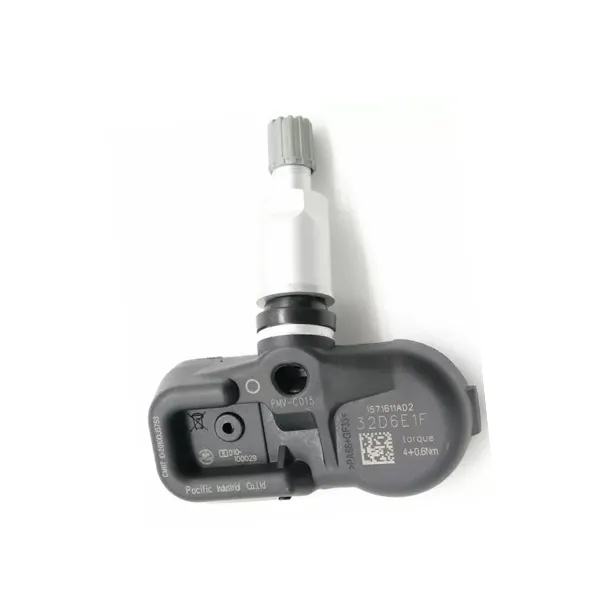
For trucks like the Toyota Tacoma Tire Pressure Sensor, the sensor needs to be robust enough to handle the heavier loads and more demanding driving conditions. Toyota has developed sensors that can quickly detect pressure changes in the Tacoma's tires, ensuring the safety of the driver and the vehicle.
Measuring and Testing Response Time
To ensure the quality and performance of our tire pressure sensors, we conduct rigorous testing procedures. We use specialized equipment to simulate different pressure changes and measure the sensor's response time. These tests are carried out in a controlled environment to eliminate the influence of external factors.
During testing, we also evaluate the sensor's accuracy and reliability. We compare the sensor's readings with a known standard to ensure that it is providing accurate pressure data. By conducting these tests, we can guarantee that our sensors meet or exceed industry standards and provide our customers with high - quality products.

Conclusion
The response time of a tire pressure sensor is a critical factor that affects the safety, performance, and efficiency of a vehicle. As a tire pressure sensor supplier, we understand the importance of providing sensors with fast and accurate response times. Our sensors are designed to meet the diverse needs of different vehicle models, ensuring that drivers can rely on them to detect tire pressure changes promptly.
If you are in the market for high - quality tire pressure sensors, we invite you to contact us for more information. We are committed to providing our customers with the best products and services, and we look forward to discussing your specific requirements and helping you find the right tire pressure sensors for your vehicles.
References
- "Tire Pressure Monitoring Systems: A Review." Journal of Automotive Engineering.
- "The Impact of Tire Pressure on Vehicle Safety and Performance." Transportation Research Board.
- Manufacturer's specifications for Subaru Forester, Honda vehicles, and Toyota Tacoma.