

Hey there! As a supplier of gasoline injectors, I often get asked about the typical fuel injection pressure for these little but crucial components. So, I thought I'd sit down and write this blog to share some insights on this topic.
First off, let's understand what fuel injection pressure is all about. The fuel injection pressure refers to the force at which fuel is sprayed into the engine's combustion chamber. This pressure plays a vital role in ensuring that the fuel is atomized properly. Atomization is super important because it allows the fuel to mix evenly with the air in the combustion chamber, leading to more efficient combustion. When you have efficient combustion, you get better fuel economy, more power, and fewer emissions.
Now, for gasoline injectors, the typical fuel injection pressure can vary quite a bit depending on the type of engine and the injection system. In older, port fuel injection (PFI) systems, the fuel injection pressure usually ranges from about 30 to 80 psi (pounds per square inch). These systems have been around for a while and are relatively simple. The fuel is injected into the intake port just before the intake valve. The lower pressure in PFI systems is sufficient because the fuel has some time to mix with the incoming air before it enters the combustion chamber.
On the other hand, direct injection (DI) systems, especially gasoline direct injection (GDI) systems, operate at much higher pressures. GDI systems inject the fuel directly into the combustion chamber. This requires a much finer atomization of the fuel, and that's where the higher pressure comes in. In GDI systems, the typical fuel injection pressure can be anywhere from 200 to 2,900 psi. That's a huge difference compared to PFI systems! The high pressure in GDI systems allows the fuel to be injected more precisely and quickly, which can lead to better engine performance and fuel efficiency.
Let's talk a bit more about why these different pressures are needed. In PFI systems, since the fuel is injected into the intake port, it has a bit of a buffer zone to mix with the air. The lower pressure is enough to create a good mixture over this short distance. But in GDI systems, the fuel has to be injected directly into a very small and fast - changing environment inside the combustion chamber. The high pressure ensures that the fuel is broken down into tiny droplets that can mix with the air almost instantly, even under the high - pressure and high - temperature conditions of the combustion process.
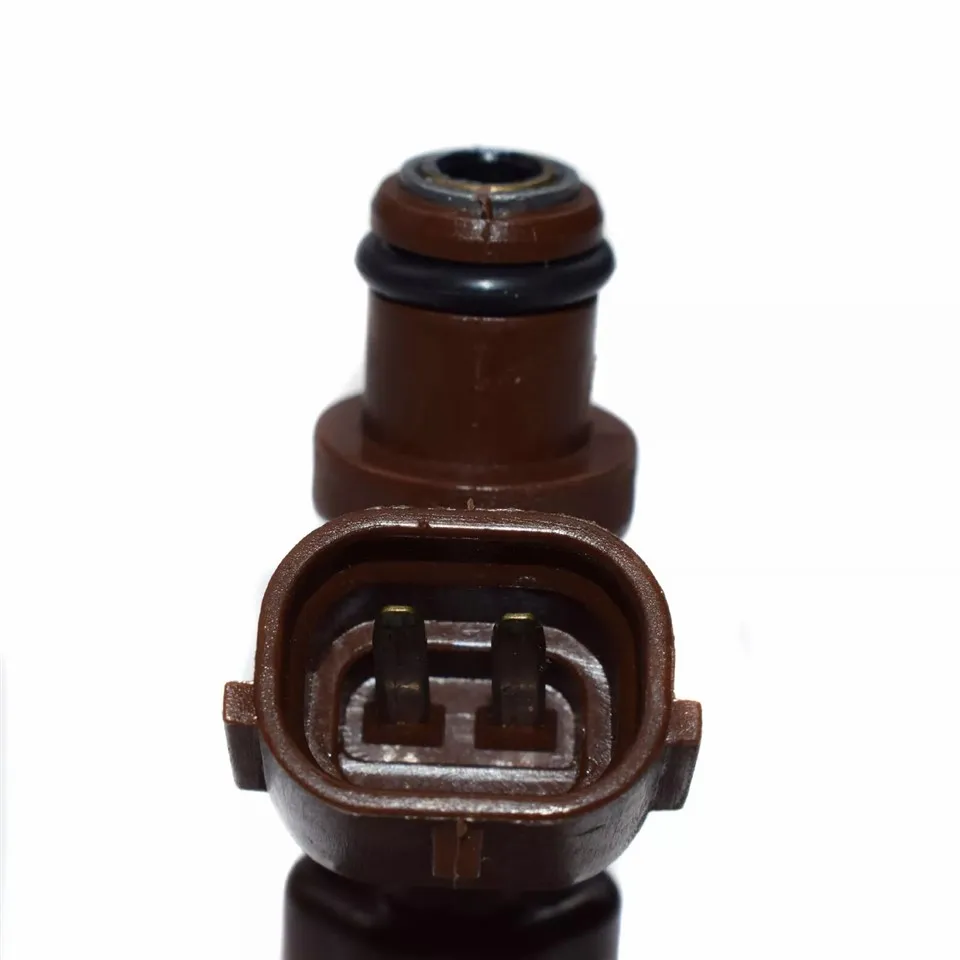
Now, as a gasoline injector supplier, I know that choosing the right injector with the appropriate pressure rating is crucial for engine performance. That's why we offer a wide range of gasoline injectors to meet different engine requirements. For example, if you're looking for a fuel injector for a Yamaha outboard from 2014 - 2021, we've got you covered. Check out our Fuel Injector For Yamaha Outboard 2014 - 2021. These injectors are designed to work with the specific fuel injection pressure and engine characteristics of Yamaha outboard engines in that model range.
We also have a great selection of Bosch Gasoline Fuel Injectors. Bosch is a well - known brand in the automotive industry, and their injectors are known for their high quality and precision. These injectors are engineered to operate at the optimal fuel injection pressures for different types of engines, whether it's a PFI or a GDI system.
If you own a Buick with a GDI engine, our GDI Fuel Injectors For Buick are a great choice. They are specifically designed to handle the high fuel injection pressures required by Buick's GDI engines, ensuring smooth operation and excellent performance.
So, how do you know which injector and what fuel injection pressure is right for your engine? Well, it's always a good idea to consult your vehicle's manual or a professional mechanic. They can give you the exact specifications for your engine and help you choose the right injector. At our company, we also have a team of experts who can assist you in making the right choice based on your vehicle's make, model, and engine type.
In addition to the type of injection system, other factors can also affect the optimal fuel injection pressure. The engine's compression ratio, the air - to - fuel ratio requirements, and the engine's operating speed all play a role. For example, high - performance engines with high compression ratios may need higher fuel injection pressures to ensure proper combustion. At high engine speeds, the fuel needs to be injected more quickly, which also may require a higher pressure.
Another thing to keep in mind is that maintaining the correct fuel injection pressure is essential for the long - term health of your engine. If the pressure is too low, the fuel may not be atomized properly, leading to incomplete combustion, poor fuel economy, and increased emissions. On the other hand, if the pressure is too high, it can put extra stress on the injector and other fuel system components, potentially leading to premature wear and failure.
We understand that as a vehicle owner or a mechanic, you want reliable and high - quality gasoline injectors. That's why we source our injectors from top - notch manufacturers and test them rigorously to ensure they meet the highest standards. Whether you're looking to replace a worn - out injector or upgrade your engine's performance, we've got the right products for you.
If you're interested in learning more about our gasoline injectors or have any questions about fuel injection pressure, don't hesitate to reach out. We're here to help you find the perfect solution for your engine. We can also provide you with detailed product information, pricing, and shipping options.
In conclusion, the typical fuel injection pressure for a gasoline injector depends on the type of injection system, the engine's characteristics, and other operating factors. Whether it's the lower pressure of PFI systems or the high pressure of GDI systems, choosing the right injector and maintaining the correct pressure is crucial for optimal engine performance. So, if you're in the market for a new gasoline injector, give us a call or drop us an email. We're ready to assist you with all your fuel injector needs.

References
- Automotive Engineering textbooks
- Manufacturer's technical manuals for engines and fuel injection systems
- Industry research papers on fuel injection technology