

Hey there! As a supplier of Replace Tire Pressure Sensors, I've seen my fair share of tire - pressure - sensor installations. Whether you're a DIY enthusiast or a professional mechanic, replacing a tire pressure sensor can seem a bit tricky at first. But don't worry, I'm here to share some installation tips that'll make the process a whole lot smoother.
Pre - installation Checks
Before you even start the installation, there are a few things you need to do. First off, make sure you've got the right sensor for your vehicle. Different cars have different requirements when it comes to tire pressure sensors. You can usually find this information in your vehicle's owner's manual or by checking with the manufacturer.
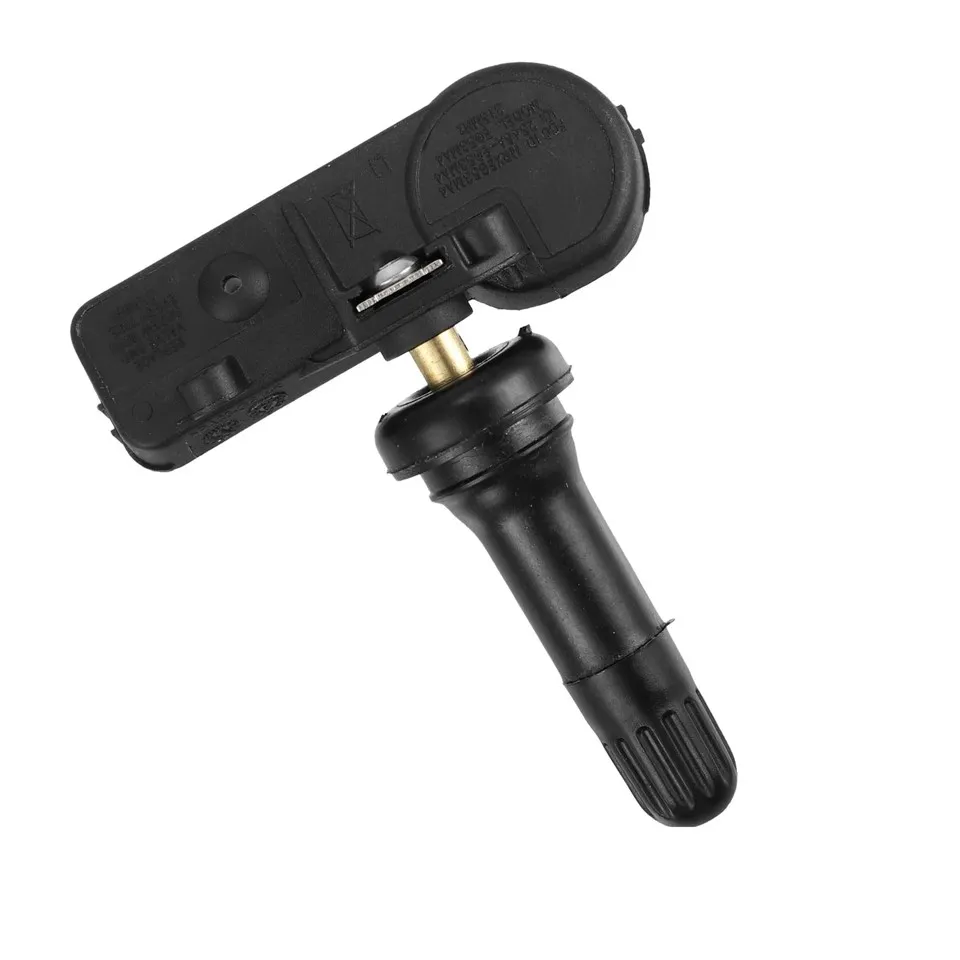
It's also crucial to inspect the new sensor for any visible damage. A damaged sensor won't work properly, and you'll end up having to replace it again. Look for cracks, dents, or any other signs of wear and tear. If you notice anything suspicious, reach out to us right away, and we'll get you a new one.
Another important pre - installation step is to gather all the necessary tools. You'll typically need a tire iron, a torque wrench, a valve core tool, and a tire pressure gauge. Having these tools ready before you start will save you a lot of time and hassle.
Removing the Old Sensor
Once you've done your pre - installation checks, it's time to remove the old tire pressure sensor. Start by deflating the tire completely. You can use the valve core tool to remove the valve core, which will let the air out quickly.
Next, use the tire iron to remove the wheel from the vehicle. Place the wheel on a flat surface, and then use the valve core tool to remove the old sensor from the valve stem. This part can be a bit tricky, as the sensor is usually held in place by a nut or a clip. Be careful not to damage the valve stem while you're removing the sensor.
Installing the New Sensor
Now that you've removed the old sensor, it's time to install the new one. First, make sure the valve stem is clean and free of any debris. You can use a clean cloth to wipe it down.
Then, carefully insert the new sensor into the valve stem. Make sure it's properly seated and aligned. Use the torque wrench to tighten the nut or clip that holds the sensor in place. It's important not to over - tighten it, as this can damage the sensor or the valve stem. Refer to your vehicle's manual for the correct torque specifications.
After installing the sensor, replace the valve core and inflate the tire to the recommended pressure. You can use the tire pressure gauge to check the pressure and make sure it's correct.

Programming the Sensor
Most modern tire pressure sensors need to be programmed to work with your vehicle's Tire Pressure Monitoring System (TPMS). The programming process can vary depending on the make and model of your vehicle.
Some vehicles have a built - in programming function that you can access through the dashboard. Others may require a special programming tool. If you're not sure how to program the sensor, you can check out our guide on Tire Pressure Monitoring System Sensor Replacement. It provides detailed instructions for different types of vehicles.
Post - installation Checks
Once you've installed and programmed the sensor, it's important to do some post - installation checks. First, visually inspect the sensor and the valve stem to make sure everything is installed correctly. Look for any signs of leaks or loose connections.
Then, take your vehicle for a short test drive. The TPMS light on your dashboard should go off after a few minutes of driving if the sensor is working properly. If the light stays on or flashes, there may be a problem with the sensor or the programming. In this case, you may need to double - check the installation or contact us for further assistance.
Cost Considerations
One of the things that many people are concerned about when replacing a tire pressure sensor is the cost. The Tire Pressure Sensor Replacement Cost can vary depending on several factors, such as the make and model of your vehicle, the type of sensor, and whether you do the installation yourself or have it done by a professional.
If you're a DIYer, you can save a lot of money by purchasing the sensor from us and doing the installation yourself. We offer high - quality sensors at competitive prices. And if you have any questions during the installation process, our customer support team is always here to help.
Special Considerations for Specific Vehicles
Some vehicles may have special considerations when it comes to tire pressure sensor replacement. For example, the Subaru Forester Tire Pressure Sensor has its own unique installation and programming requirements.
If you're replacing the sensor on a Subaru Forester or any other specific vehicle, make sure to do your research and follow the manufacturer's guidelines. You can also find more information about specific vehicle sensors on our website.
Conclusion
Replacing a tire pressure sensor doesn't have to be a difficult task. By following these installation tips, you can ensure that the process goes smoothly and that your new sensor works properly.
If you have any questions or need further assistance with tire pressure sensor replacement, don't hesitate to reach out. We're here to help you every step of the way. Whether you're a professional mechanic or a DIY enthusiast, we've got the high - quality sensors and the support you need.
So, if you're in the market for a new tire pressure sensor, consider us as your supplier. We offer a wide range of sensors to fit different makes and models of vehicles. Contact us today to start your procurement process and get the best tire pressure sensors for your needs.
References
- Vehicle owner's manuals
- Manufacturer's specifications for tire pressure sensors
- Industry best practices for tire pressure sensor installation