

As a supplier of Toyota Tire Pressure Sensors, I've witnessed firsthand the intricate relationship between tire pressure sensors and the Anti - lock Braking System (ABS) in Toyota vehicles. A failed tire pressure sensor can have several effects on the ABS system, which we'll explore in detail.
How Tire Pressure Sensors Work
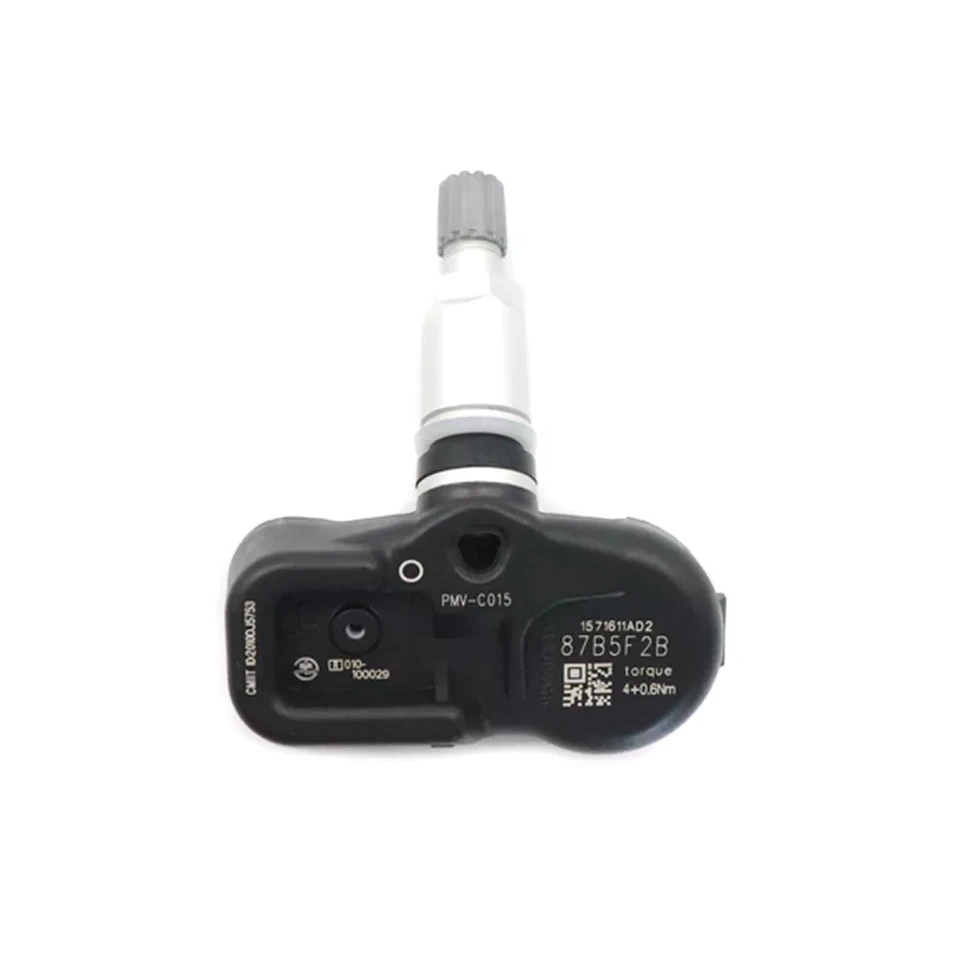
Before delving into the effects of a failed sensor, it's essential to understand how tire pressure sensors function. Modern tire pressure monitoring systems (TPMS) in Toyota cars are designed to continuously monitor the air pressure in each tire. These sensors are usually located inside the tire, attached to the valve stem. They measure the pressure and transmit this data wirelessly to the vehicle's onboard computer.
The data from the tire pressure sensors plays a crucial role in maintaining optimal vehicle performance. Proper tire pressure ensures good traction, which is vital for both normal driving and emergency braking situations. When the tire pressure is too low, the tire's contact area with the road increases, leading to increased rolling resistance and potentially affecting the vehicle's handling.
The Connection between Tire Pressure Sensors and the ABS System
The ABS system in a Toyota vehicle is designed to prevent the wheels from locking up during braking, which allows the driver to maintain steering control. It does this by monitoring the rotational speed of each wheel. If a wheel is about to lock up, the ABS system reduces the braking force on that wheel.
Tire pressure sensors and the ABS system are interconnected through the vehicle's electronic control unit (ECU). The ECU receives data from both the tire pressure sensors and the wheel speed sensors used by the ABS system. When the tire pressure is abnormal, it can affect the wheel's rotational speed, which in turn can cause false signals to be sent to the ABS system.
Effects of a Failed Toyota Tire Pressure Sensor on the ABS System
1. False ABS Activation
A failed tire pressure sensor may send incorrect pressure readings to the ECU. If the ECU interprets these incorrect readings as abnormal wheel behavior, it may activate the ABS system when it's not necessary. For example, if a tire pressure sensor reports extremely low pressure, the ECU might assume that the wheel is slipping or about to lock up, even though the actual wheel condition is normal. This false activation can be dangerous, as it can cause the vehicle to slow down unexpectedly, increasing the risk of a rear - end collision.
2. Reduced ABS Effectiveness
When a tire pressure sensor fails, the ECU may not have accurate information about the tire pressure. This lack of accurate data can lead to sub - optimal performance of the ABS system. In an emergency braking situation, the ABS system relies on precise wheel speed and tire condition data to function effectively. If the tire pressure is low due to a failed sensor, the tire's grip on the road may be compromised. The ABS system may not be able to adjust the braking force correctly, resulting in longer stopping distances and reduced overall safety.
3. ABS Warning Light Illumination
In some cases, a failed tire pressure sensor can trigger the ABS warning light on the dashboard. The ECU uses a complex set of algorithms to analyze the data from various sensors, including the tire pressure sensors. When it detects an inconsistency or an abnormal reading from a tire pressure sensor, it may interpret this as a potential problem with the ABS system. As a result, the ABS warning light may come on, causing unnecessary concern for the driver.
Impact on Vehicle Safety and Performance
The effects of a failed tire pressure sensor on the ABS system can have a significant impact on vehicle safety and performance. False ABS activation can startle the driver and disrupt the normal flow of traffic. Reduced ABS effectiveness means that the vehicle may not stop as quickly as it should in an emergency, increasing the risk of accidents.
Moreover, a faulty tire pressure sensor can also lead to uneven tire wear. When the tire pressure is not properly maintained, certain parts of the tire may experience more stress than others, causing premature wear. This not only shortens the lifespan of the tires but also further affects the vehicle's handling and safety.
Solutions and Preventive Measures
If you suspect that your Toyota's tire pressure sensor has failed, it's important to take action promptly. One option is to replace the faulty sensor. You can find a suitable Toyota Rav4 Tire Pressure Sensor at our recommended source.
Regular maintenance and inspection of the tire pressure sensors are also crucial. Many modern vehicles have a self - diagnostic feature that can detect issues with the tire pressure sensors. However, it's still a good idea to have the sensors checked by a professional during routine vehicle servicing.
If you own a Honda Civic and need to reset the tire pressure sensor, you can refer to the guide on Honda Civic Tire Pressure Sensor Reset.
Replacing a Tire Pressure Sensor
Replacing a tire pressure sensor is a relatively straightforward process, but it does require some technical knowledge. You can follow the steps outlined in the Replacing Tire Pressure Sensor guide. It's important to ensure that the new sensor is properly calibrated and programmed to work with your vehicle's ECU.
Conclusion
As a supplier of Toyota Tire Pressure Sensors, I understand the importance of these sensors in maintaining the safety and performance of Toyota vehicles. A failed tire pressure sensor can have a significant impact on the ABS system, leading to false activation, reduced effectiveness, and warning light illumination.

To ensure the safety of your vehicle, it's essential to keep your tire pressure sensors in good working condition. Regular maintenance and prompt replacement of faulty sensors are key. If you have any questions or need to purchase Toyota Tire Pressure Sensors, we're here to assist you. Contact us for more information and to start a procurement discussion.
References
- "Automotive Electronic Systems" by Wolfgang Reimpell, Jörg Stoll, and Christian Betz
- "Vehicle Dynamics and Control" by Rajesh Rajamani