

Hey there, fellow car lovers and DIY mechanics! If you’ve ever popped the hood of a gas-powered car, you’ve probably heard of fuel injectors, but have you ever stopped to think, “How long do these little guys actually last?” As someone who’s been in the gasoline injector game for over a decade now, I get asked this question all the time—and honestly, it’s not a one-size-fits-all answer. But let’s break it down like we’re chatting over a cup of coffee, no fancy jargon required.
First off, let’s start with the basics: a gasoline injector’s job is pretty simple (but super important). It sprays the exact right amount of fuel into the engine’s combustion chamber at the exact right time—too much, and you waste gas; too little, and your car sputters. It’s like the chef of the engine, measuring out the perfect portion for every meal. Now, lifespan-wise, I’ve seen everything from injectors that conk out at 50k miles to ones still running strong at 200k+ miles. But let’s get into the real factors that make that difference.
The number one culprit here is fuel quality. If you’re using cheap, low-grade gas that’s full of gunk and contaminants, that stuff builds up in your injector way faster than you’d think. Those tiny nozzles get clogged, the spray pattern gets all messed up, and suddenly your engine’s running rough. I’ve had customers come in with injectors from Delphi Fuel Injectors that were less than 30k miles old, and they were so clogged you could barely see the spray. Now, Delphi makes solid parts—don’t get me wrong—but bad fuel will kill even the best injectors.
Then there’s driving style. If you’re always revving the engine to the max, or doing a lot of short trips where the engine never fully warms up, moisture and unburned fuel can build up in the injector. Short trips mean the engine doesn’t get hot enough to burn off that gunk, so it’s just sitting there, clogging things up. On the flip side, if you do a lot of highway driving where the engine’s at a steady, warm temp, that’s way better for your injectors—they get to “clean themselves out” a bit with every run.
Oh, and don’t sleep on maintenance! A lot of people forget that fuel injector cleaners work wonders, but only if you use them regularly. I recommend adding a quality cleaner to your tank every 10k miles or so, especially if you’re using lower-grade fuel. And if you start noticing signs like rough idling, reduced gas mileage, or a check engine light that pops up out of nowhere, don’t ignore it—those are usually your injectors screaming for help.
Now, let’s talk about different types of injectors, because that changes things too. Port fuel injectors (the ones that spray into the intake manifold, not the combustion chamber) tend to last a bit longer than direct fuel injectors (GDI). GDI injectors are way more precise, but they operate at way higher pressure, so they’re more prone to wear and clogging from carbon buildup. I’ve seen GDI Fuel Injectors For Mini Cooper units go bad at 60k miles because of carbon buildup, whereas port injectors in the same car are still going strong at 120k.
Car make and model also play a role, obviously. I worked on a Fuel Injector Subaru Legacy last year that had 180k miles on it, still running like a champ—turns out the previous owner only used premium gas and did regular maintenance. On the other hand, a Fuel Injectors For Nissan Frontier Xterra that I saw a while back had 70k miles and was already leaking, because the owner did a lot of off-roading and used cheaper gas. Every engine’s design is a little different, so injectors are built to handle specific conditions.
Wait, let’s get back to the average numbers, because that’s what most people care about. For most standard port fuel injectors, you’re looking at 100k to 150k miles as a general lifespan. But if you take care of them, you can easily push that to 200k or more. For GDI injectors? That’s more like 60k to 100k miles, because of the higher pressure and carbon buildup. But again, regular cleaning can extend that.
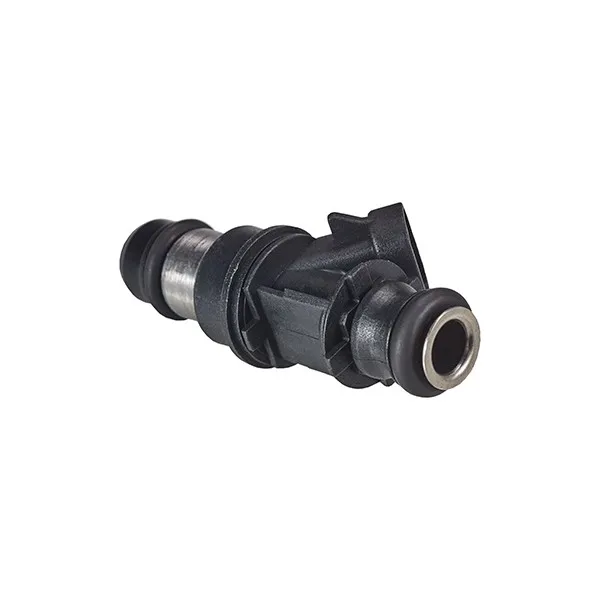

I’ve had so many customers ask me if they should replace their injectors before they go bad, and my answer is usually “wait for the signs.” If your car is running smooth, getting good gas mileage, no check engine light—then your injectors are fine. But if you notice any of those red flags (rough idling, misfiring, reduced MPG), don’t wait until it’s a huge problem. A clogged injector can damage other parts of your engine, like the spark plugs or catalytic converter, which will cost you way more in the long run.
Now, let’s talk about what to do if you do need new injectors. You don’t want to just grab any random part—stick with reputable brands. We sell Delphi Fuel Injectors, Denso Fuel Injectors, and other top names, because they’re tested to handle the pressure and last longer. I’ve seen knockoff injectors that go bad in 10k miles, so spending a little more upfront is worth it to avoid more headaches later.
Wait, another thing that affects injector lifespan: fuel filter condition. If your fuel filter is dirty, it’s not filtering out all the contaminants, so that gunk is going straight to your injectors. I always tell people to change their fuel filter every 30k to 50k miles—this little step can save you hundreds in injector repairs. It’s like changing your oil, but for your fuel system.
Let’s wrap this up with some quick tips to make your injectors last as long as possible:
- Use quality gas—don’t skimp on cheap stuff.
- Do regular maintenance: change fuel filters, use injector cleaner every 10k miles.
- Avoid too many short trips; if you have to do them, let the engine warm up for a few minutes once in a while.
- If you notice any issues, get it checked out ASAP—don’t wait.
At the end of the day, gasoline injectors are a small but critical part of your car’s engine. Their lifespan depends on how you drive, what fuel you use, and how well you maintain them. Whether you’re driving a Mini Cooper, a Subaru, a Nissan, or any other make, taking care of your injectors will save you time, money, and stress down the road.
If you’re in the market for high-quality, reliable fuel injectors that are built to last, we’ve got you covered. Our selection includes top brands like Delphi and Denso, plus specific options for models like the Subaru Legacy, Nissan Frontier Xterra, and even GDI injectors for your Mini Cooper. We’ve been in the business for years, so we know exactly what works for different engines and driving styles. Contact our team today to discuss your needs, get expert advice, and find the perfect injectors for your vehicle.
References:
Automotive Fuel System Association. (2022). "Fuel Injector Lifespan and Maintenance Guidelines."
Delphi Technologies. (2021). "Gasoline Fuel Injector Performance and Durability Report."
Denso Corporation. (2020). "Direct Fuel Injector Longevity in Modern Engines."
Subaru Motor Corporation. (2019). "Legacy Engine Maintenance Schedule for Fuel Systems."
Nissan North America. (2020). "Frontier and Xterra Fuel System Care Recommendations."