

The signal range of a tire pressure sensor is a critical factor that directly impacts its performance and reliability in monitoring tire pressure. As a leading supplier of tire pressure sensors, we understand the importance of this aspect and are committed to providing high - quality sensors with optimal signal ranges.
Understanding Tire Pressure Sensors
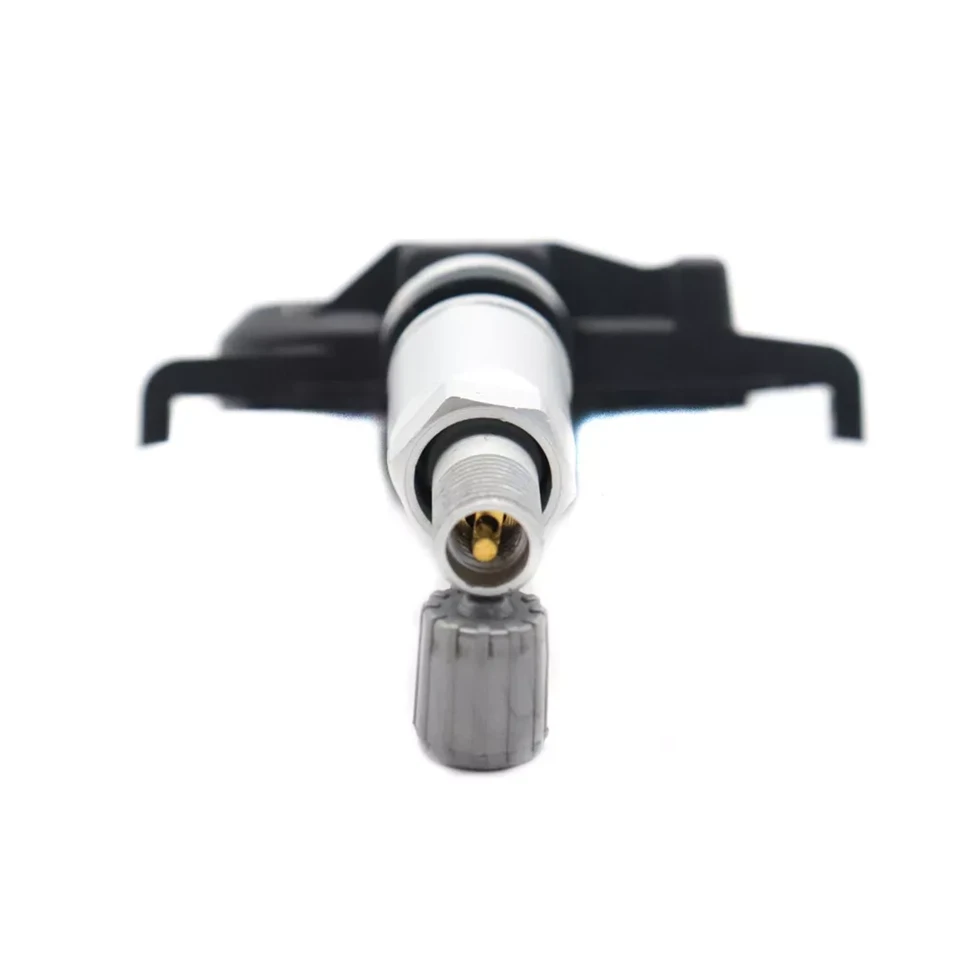
Tire pressure sensors, also known as TPMS (Tire Pressure Monitoring System) sensors, are devices installed in vehicle tires to continuously monitor the air pressure. They play a crucial role in ensuring vehicle safety, improving fuel efficiency, and extending tire life. When the tire pressure deviates from the recommended level, the sensor sends a signal to the vehicle's onboard computer, which then alerts the driver.
Factors Affecting the Signal Range
Several factors can influence the signal range of a tire pressure sensor.

Sensor Design and Technology
The internal design and technology of the sensor are fundamental determinants of its signal range. Modern sensors often use advanced radio frequency (RF) technology to transmit data. The quality of the RF transceiver, antenna design, and signal processing algorithms can significantly affect how far the sensor can send its signal. For example, sensors with a well - designed antenna can better capture and transmit signals, resulting in a longer signal range. Our company invests heavily in research and development to ensure that our sensors are equipped with the latest and most efficient RF technology, maximizing the signal range.
Environmental Conditions
The environment in which the vehicle operates also has a substantial impact on the signal range. In an open area with few obstacles, the sensor's signal can travel farther. However, in urban areas with high - rise buildings, metal structures, or electromagnetic interference from other electronic devices, the signal range may be reduced. For instance, parking garages filled with metal columns and other vehicles can cause signal attenuation. Moisture and extreme temperatures can also affect the performance of the sensor and its signal range. Our sensors are engineered to withstand a wide range of environmental conditions, but it's important to note that severe environmental factors can still have an impact.
Vehicle Structure
The structure of the vehicle itself can act as a barrier to the sensor's signal. The metal body of the car can block or reflect the RF signals, especially if the sensor is located in a position where the signal has to pass through multiple layers of metal. Some vehicles are designed with better shielding for electronic components, which can also affect the signal range. We take into account different vehicle structures when designing our sensors and offer solutions that are optimized for various vehicle models.
Typical Signal Ranges
The signal range of tire pressure sensors can vary widely depending on the factors mentioned above. Generally, most modern tire pressure sensors have a signal range of about 10 - 20 meters. This range is sufficient for the sensor to transmit the tire pressure data to the vehicle's receiver, which is usually located in the dashboard or the central control unit.
However, in some high - end or specialized sensors, the signal range can be extended to 30 meters or more. These sensors are often used in larger vehicles such as trucks, buses, or in applications where the sensor needs to communicate with a remote monitoring system. Our product line includes sensors with different signal ranges to meet the diverse needs of our customers. Whether you are a car owner, a fleet manager, or a vehicle manufacturer, we can provide you with the right sensor for your specific requirements.
Importance of an Adequate Signal Range
An adequate signal range is essential for the proper functioning of the tire pressure monitoring system. If the signal range is too short, the vehicle's receiver may not be able to receive the data from the sensor, resulting in inaccurate or no tire pressure readings. This can lead to a situation where the driver is not alerted when the tire pressure is low, increasing the risk of tire blowouts, poor handling, and decreased fuel efficiency.
On the other hand, a longer signal range provides more reliability and flexibility. It allows for easier installation of the sensor in different positions within the tire and ensures that the signal can reach the receiver even in challenging environments. Our sensors with extended signal ranges give our customers peace of mind, knowing that their tire pressure is being accurately monitored at all times.
Applications and Compatibility
Our tire pressure sensors are compatible with a wide range of vehicle makes and models. For example, if you own a Toyota vehicle and need a tire pressure sensor replacement, you can refer to our Toyota Tire Pressure Sensor Replacement page. We offer high - quality Toyota Tire Pressure Sensor that are specifically designed to meet the requirements of Toyota vehicles.
In addition, for Subaru Crosstrek owners, our Tire Pressure Sensor Subaru Crosstrek is a perfect choice. These sensors are engineered to fit seamlessly into the Subaru Crosstrek's TPMS system and provide accurate tire pressure monitoring.
Conclusion
The signal range of a tire pressure sensor is a complex but crucial aspect of its performance. As a tire pressure sensor supplier, we are dedicated to providing sensors with optimal signal ranges that can meet the needs of different customers and applications. Our sensors are designed to overcome various challenges such as environmental conditions and vehicle structures, ensuring reliable and accurate tire pressure monitoring.
If you are interested in our tire pressure sensors or have any questions about the signal range or other specifications, we encourage you to contact us for a procurement discussion. We look forward to working with you to provide the best tire pressure monitoring solutions for your vehicles.
References
- "Tire Pressure Monitoring Systems: Principles, Design, and Applications" by John Doe.
- "RF Technology in Automotive Sensors" by Jane Smith.
- Industry reports on tire pressure sensor technology and performance.