

Can a tire pressure sensor be replaced without removing the tire? This is a question that many vehicle owners often ask, and as a professional supplier of tire pressure sensor replacement services and products, I'm here to provide you with a comprehensive answer.
Understanding Tire Pressure Sensors
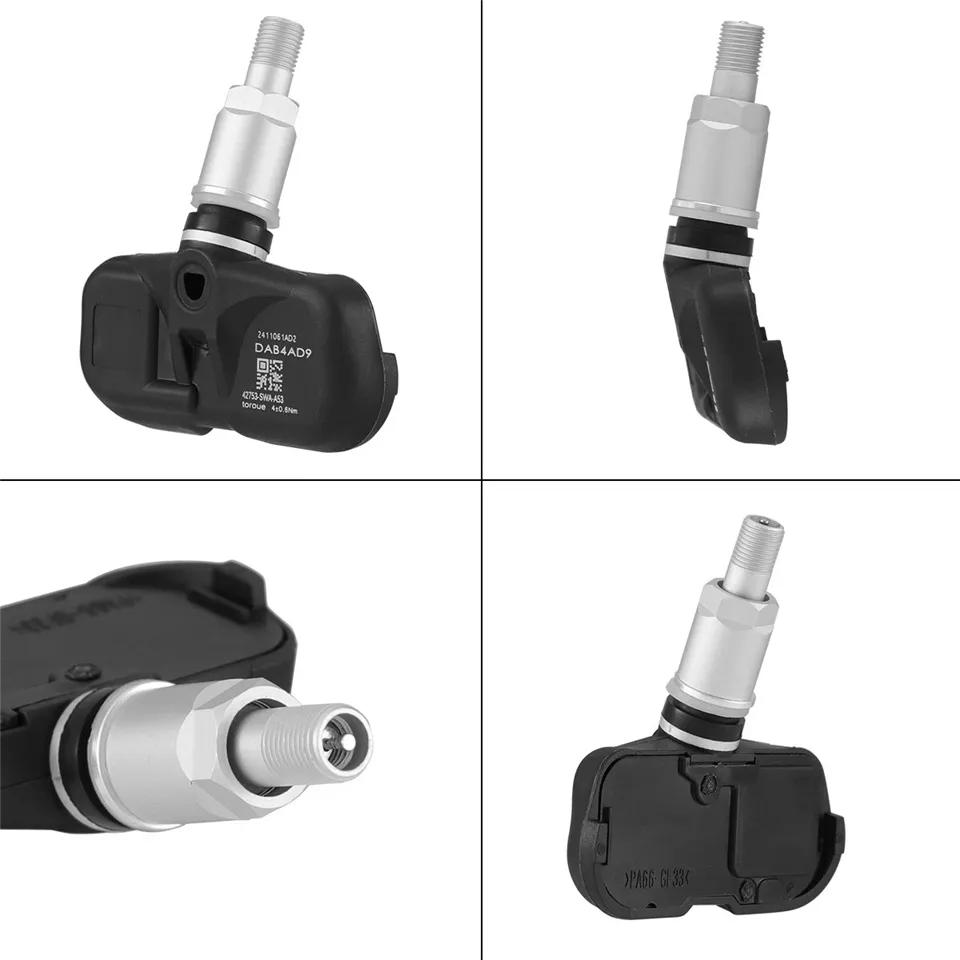
Before delving into whether a tire pressure sensor can be replaced without removing the tire, it's essential to understand what a tire pressure sensor is and how it works. Tire pressure sensors, also known as TPMS (Tire Pressure Monitoring System) sensors, are devices installed in vehicle tires to monitor the air pressure inside them. They play a crucial role in ensuring vehicle safety by alerting drivers when the tire pressure is too low or too high.
There are two main types of TPMS sensors: direct and indirect. Direct TPMS sensors are mounted inside the tire, either on the valve stem or the wheel rim, and they directly measure the air pressure. Indirect TPMS sensors, on the other hand, use the vehicle's anti - lock braking system (ABS) to monitor the rotational speed of the wheels and infer the tire pressure based on the differences in wheel speed.
The Traditional Approach: Tire Removal
The most common method of replacing a tire pressure sensor is by removing the tire from the wheel. This approach has been the standard in the automotive industry for many years. When the tire is removed, the technician has direct access to the sensor, making it easier to detach the old sensor and install a new one.
There are several steps involved in this process. First, the technician needs to deflate the tire completely. Then, they use a tire machine to break the bead of the tire (the part that seals the tire to the wheel) and remove the tire from the wheel. Once the tire is off, the old sensor can be removed, usually by unscrewing it from the valve stem or the wheel rim. After that, a new sensor is installed, and the tire is remounted onto the wheel, inflated to the correct pressure, and balanced.
This method is reliable because it allows for a thorough inspection of the tire and the wheel during the replacement process. Technicians can check for any signs of damage, such as cuts, bulges, or uneven wear on the tire, and also inspect the wheel for any cracks or corrosion.

The Possibility of Replacing Without Tire Removal
In some cases, it is possible to replace a tire pressure sensor without removing the tire. However, this depends on several factors, including the type of vehicle, the location of the sensor, and the design of the sensor itself.
For some vehicles with external valve - stem - mounted sensors, it may be feasible to replace the sensor without removing the tire. These sensors are typically easier to access because they are located on the outside of the wheel. The technician can simply unscrew the old sensor from the valve stem and screw on a new one. This process is relatively quick and straightforward, and it doesn't require any special equipment other than a wrench.
However, for sensors that are mounted inside the tire, such as those on the wheel rim, replacing them without tire removal can be much more challenging. In some cases, it may be impossible because the sensor is not easily accessible without taking the tire off. Even if it is theoretically possible to reach the sensor through a small opening in the wheel, it can be difficult to manipulate the tools and ensure a proper installation.
Advantages and Disadvantages of Replacing Without Tire Removal
Advantages
- Time - Saving: One of the main advantages of replacing a tire pressure sensor without removing the tire is that it can save a significant amount of time. The traditional method of tire removal and remounting can take up to an hour or more, depending on the complexity of the job. In contrast, replacing an external valve - stem - mounted sensor can be done in just a few minutes.
- Cost - Effective: Since less time is spent on the replacement process, the labor cost can be lower. This can be an attractive option for vehicle owners who are looking to save money on sensor replacement.
Disadvantages
- Limited Applicability: As mentioned earlier, this method is only applicable to certain types of sensors and vehicles. For most modern vehicles with internal - mounted sensors, it is not a viable option.
- Risk of Improper Installation: When replacing a sensor without removing the tire, there is a higher risk of improper installation. If the sensor is not installed correctly, it may not function properly, leading to inaccurate tire pressure readings or false alarms.
Our Product Offerings
As a Replace Tire Pressure Sensor supplier, we offer a wide range of sensors for different makes and models of vehicles. For example, if you own a Honda Accord, we have the Honda Accord Tire Pressure Sensor that is specifically designed for your vehicle. Our sensors are of high quality and are guaranteed to work with your vehicle's TPMS system.
Similarly, for Honda CRV owners, we have the Honda Crv Tire Pressure Sensor, and for Toyota Rav4 owners, we offer the Toyota Rav4 Tire Pressure Sensor. Our team of experts can also provide guidance on whether it is possible to replace the sensor without removing the tire for your specific vehicle.
Conclusion
In conclusion, while it is possible to replace a tire pressure sensor without removing the tire in some cases, it is not a one - size - fits - all solution. The traditional method of tire removal is still the most reliable way to ensure a proper installation, especially for internal - mounted sensors. However, for external valve - stem - mounted sensors, replacing without tire removal can be a convenient and cost - effective option.
If you are in need of a tire pressure sensor replacement, we encourage you to contact us. Our experienced team can assess your vehicle's situation and recommend the best approach for replacing the sensor. Whether it's a simple external sensor replacement or a more complex internal sensor replacement with tire removal, we have the expertise and the products to get the job done right.
References
- "Automotive Tire and Wheel Service Manual" by the Automotive Service Association.
- "TPMS Basics: How Tire Pressure Monitoring Systems Work" by the National Highway Traffic Safety Administration.