

What is the maximum pressure that Bosch gasoline fuel injectors can withstand?
As a trusted supplier of Bosch Gasoline Fuel Injectors, I am often asked about the technical specifications of these high - performance components, especially regarding the maximum pressure they can withstand. In this blog, I will delve into this topic to provide you with a comprehensive understanding.
Understanding the Basics of Bosch Gasoline Fuel Injectors
Bosch has long been a pioneer in the automotive industry, renowned for its innovative and reliable fuel injection technology. Gasoline fuel injectors play a critical role in an engine's performance, as they are responsible for precisely delivering the right amount of fuel into the combustion chamber at the correct time. This process is essential for efficient combustion, power generation, and reduced emissions.
The design of Bosch gasoline fuel injectors is a marvel of engineering. They are built with high - quality materials and advanced manufacturing techniques to ensure durability and precision. These injectors come in various types, such as port fuel injectors (PFI) and direct fuel injectors (DI), each with its own unique characteristics and applications.
Factors Affecting Pressure Resistance
The maximum pressure that a Bosch gasoline fuel injector can withstand is influenced by several factors. One of the primary factors is the injector's internal structure. The housing, nozzle, and seat are carefully designed to handle high - pressure forces. For example, the nozzle is engineered with a specific shape and size to control the fuel spray pattern and atomization, and it must be strong enough to resist the pressure of the fuel being forced through it.
Another factor is the material used in the manufacturing of the injector. Bosch typically uses high - strength alloys and steels that can withstand extreme pressures and temperatures. These materials are selected for their excellent mechanical properties, such as high tensile strength and corrosion resistance.
The type of fuel system also plays a role in determining the pressure tolerance. For instance, direct injection systems operate at much higher pressures compared to port fuel injection systems. In direct injection, the fuel is injected directly into the combustion chamber, requiring higher pressures to ensure proper atomization and mixing with the air.
Pressure Ratings for Different Bosch Gasoline Fuel Injector Types
Port Fuel Injectors (PFI)
Port fuel injectors are commonly used in many older and some modern engines. These injectors typically operate at relatively lower pressures compared to direct injectors. The maximum pressure that a Bosch PFI can withstand usually ranges from 30 to 100 psi (pounds per square inch). This pressure range is sufficient to ensure proper fuel delivery into the intake port, where it mixes with the incoming air before entering the combustion chamber.
Direct Fuel Injectors (DI)
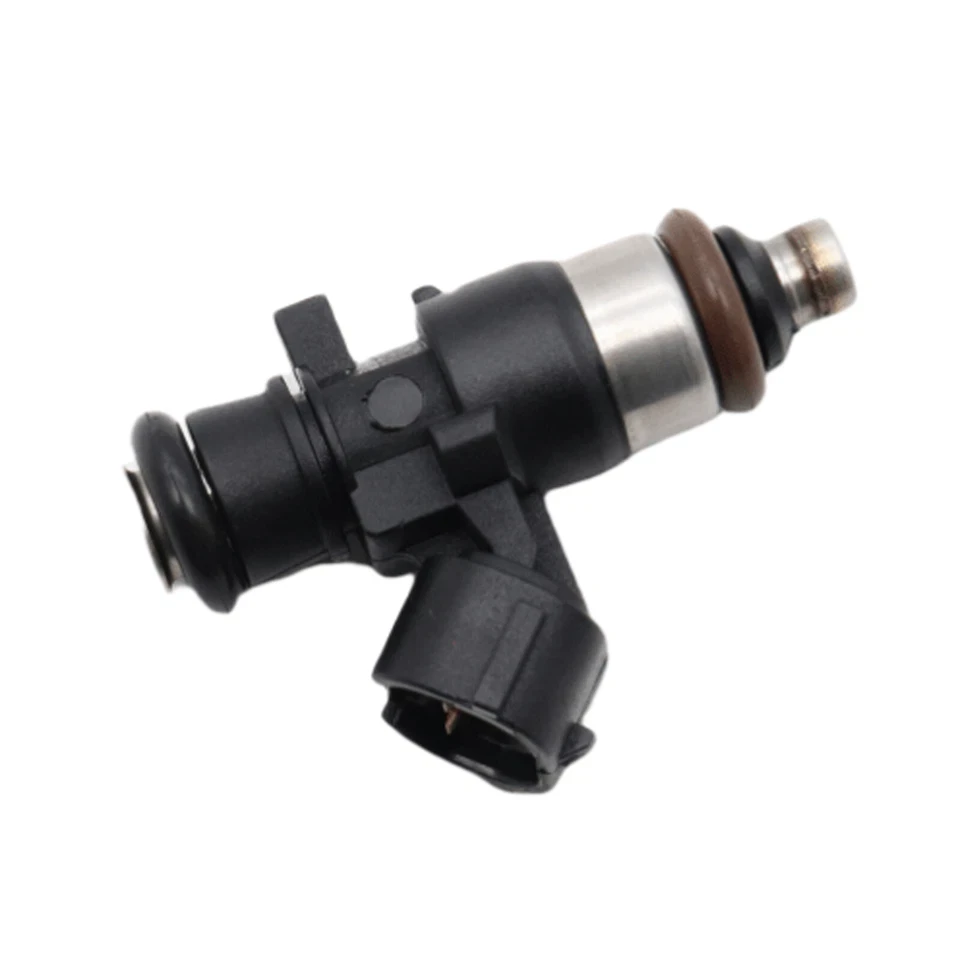
In contrast, direct fuel injectors are designed for high - pressure applications. Bosch direct injectors can handle much higher pressures, often in the range of 2000 to 5000 psi. In modern gasoline direct injection (GDI) engines, the high pressure is necessary to achieve better fuel atomization, which leads to more efficient combustion and improved power output. To understand more about Gdi Fuel Injector, you can visit Gdi Fuel Injector.

Importance of Pressure Resistance in Real - World Applications
The ability of Bosch gasoline fuel injectors to withstand high pressures has significant implications for engine performance and reliability. In high - performance engines, such as those found in sports cars and some luxury vehicles, the high - pressure fuel injection system allows for more precise control of the combustion process. This results in increased power, better fuel economy, and reduced emissions.
In addition, in modern engines with downsizing and turbocharging technologies, high - pressure fuel injection is crucial. The higher pressure helps to ensure that the smaller engine can produce the same level of power as a larger, naturally - aspirated engine while maintaining fuel efficiency.
Applications in Different Vehicle Models
Bosch gasoline fuel injectors are widely used in a variety of vehicle models. For Mitsubishi vehicles, the FUEL INJECTOR For Mitsubishi is designed to meet the specific requirements of these engines. These injectors are engineered to work seamlessly with Mitsubishi's engine management systems and are capable of withstanding the pressures associated with their respective fuel systems.
The Fuel Injectors For Civic Integra are another example. Honda Civic and Integra models often feature advanced engine technologies, and the Bosch injectors are optimized to deliver the right amount of fuel at the right pressure to ensure smooth and efficient operation.
For marine applications, such as Suzuki outboard motors, the Fuel Injectors For Suzuki Outboard are built to withstand the harsh marine environment and the high pressures required for efficient propulsion. Similarly, the FUEL INJECTOR FOR YAMAHA OUTBOARD is designed to meet the specific demands of Yamaha outboard engines, providing reliable performance even under extreme conditions.
Conclusion and Call to Action
In summary, the maximum pressure that Bosch gasoline fuel injectors can withstand varies depending on the type of injector. Port fuel injectors can handle pressures in the range of 30 - 100 psi, while direct fuel injectors can withstand up to 2000 - 5000 psi. This high - pressure capability is essential for modern engines to achieve optimal performance, fuel efficiency, and reduced emissions.
If you are in the market for reliable Bosch Gasoline Fuel Injectors for your vehicles or equipment, I encourage you to reach out for a detailed discussion. Whether you need injectors for automotive or marine applications, we can provide you with the right solutions that meet your specific requirements.
References
- Bosch Automotive Technology Handbook.
- Technical documentation from Bosch on fuel injection systems.
- Industry research papers on gasoline fuel injection technology.