

Can a tire pressure sensor be used on any vehicle? That's a question I get asked a lot as a tire pressure sensor supplier. And the answer, well, it's a bit complicated. Let's dig into it.
First off, what's a tire pressure sensor? It's a nifty little device that monitors the air pressure inside your tires. It sends that info to your car's computer, and if the pressure gets too low or too high, it'll trigger a warning light on your dashboard. This is super important because proper tire pressure affects your vehicle's safety, performance, and fuel efficiency.
Now, can you use any tire pressure sensor on any vehicle? The short answer is no. There are a few reasons for this.
Compatibility Issues
1. Sensor Type
There are two main types of tire pressure sensors: direct and indirect. Direct sensors are the ones that are physically mounted inside the tire, usually on the valve stem. They measure the actual air pressure. Indirect sensors, on the other hand, use the vehicle's anti - lock braking system (ABS) to estimate tire pressure based on the wheel's rotation speed.
Not all vehicles are equipped to work with both types. Some cars are designed specifically for direct sensors, while others use indirect ones. For example, older vehicles might not have the necessary infrastructure to support direct sensors, and trying to install one could be a real headache.
2. Frequency
Tire pressure sensors communicate with the vehicle's computer using specific frequencies. Different car manufacturers use different frequencies for their systems. For instance, some vehicles operate on a 315 MHz frequency, while others use 433 MHz. If you try to install a sensor with the wrong frequency, it simply won't work. The sensor will send its data, but the car's computer won't be able to receive or interpret it.
3. Programming
Each vehicle has its own unique programming requirements for the tire pressure sensor. The sensor needs to be programmed to match the vehicle's make, model, and year. This programming ensures that the sensor communicates correctly with the car's computer and that the warning system functions as intended.
For example, a Honda Civic Tire Pressure Sensor needs to be programmed specifically for a Honda Civic. Installing a sensor meant for a Honda Civic on a Toyota Rav4 without proper reprogramming will lead to issues. The same goes for a Toyota Rav4 Tire Pressure Sensor and a Bmw 328i Tire Pressure Sensor. Each vehicle has its own set of codes and parameters that the sensor must adhere to.
Exceptions and Adaptability
However, there are some cases where a tire pressure sensor can be used across different vehicles.
1. Universal Sensors
Some manufacturers produce universal tire pressure sensors. These sensors are designed to be more adaptable and can be programmed to work with a wide range of vehicles. They often come with a programming tool that allows you to set the sensor to match the specific requirements of your car.
But even universal sensors have their limitations. They might not work with every single vehicle out there, and there could still be some compatibility issues depending on the vehicle's age, make, and model.
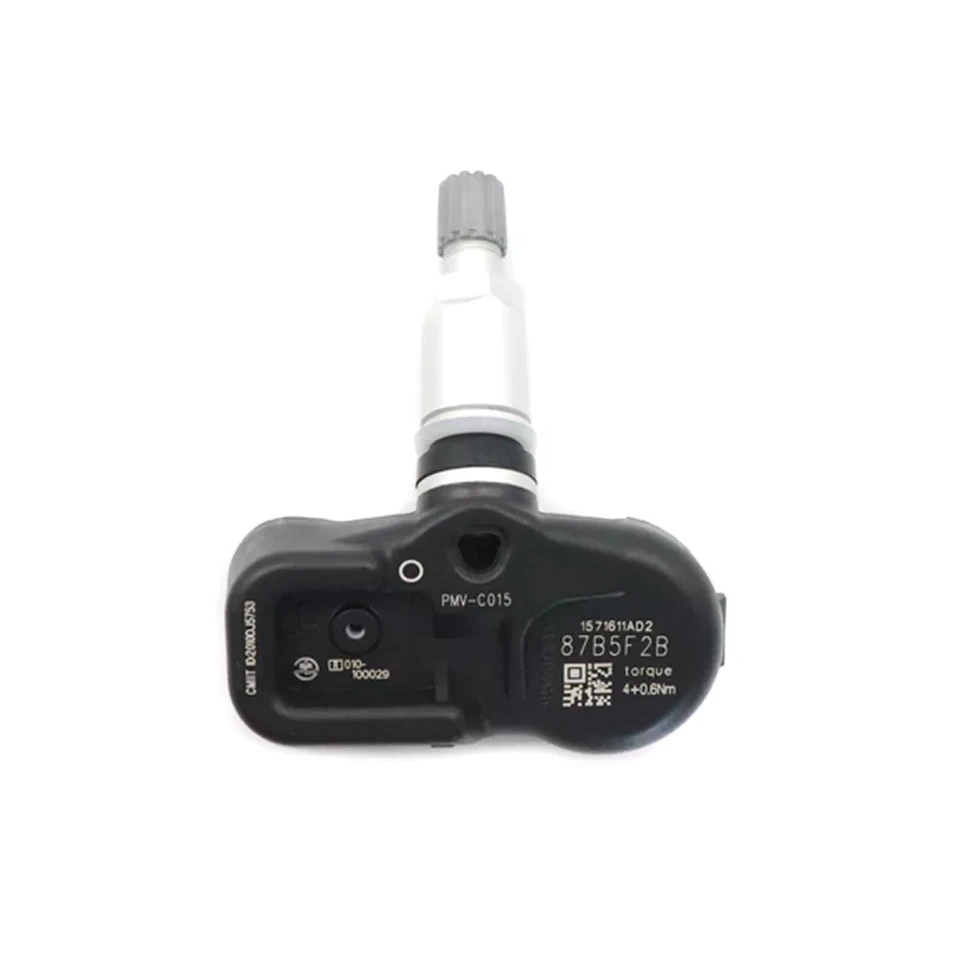

2. Aftermarket Solutions
There are aftermarket tire pressure sensor systems available that claim to work with multiple vehicles. These systems usually come with detailed instructions on how to install and program them for different makes and models. They can be a good option if you're looking for a more cost - effective solution or if you have an older vehicle that doesn't have a built - in tire pressure monitoring system.
The Importance of Using the Right Sensor
Using the wrong tire pressure sensor can have serious consequences.
1. Safety
If the sensor doesn't work properly, you won't get accurate information about your tire pressure. Low tire pressure can lead to poor handling, longer braking distances, and even tire blowouts. High tire pressure can cause uneven tire wear and reduce traction. In either case, your safety on the road is at risk.
2. Vehicle Performance
Proper tire pressure is crucial for optimal vehicle performance. Incorrect tire pressure can affect your car's acceleration, steering, and fuel efficiency. Using a non - compatible sensor could lead to inaccurate pressure readings, which in turn can cause your vehicle to perform poorly.
3. Warranty
Installing an incompatible tire pressure sensor could void your vehicle's warranty. Car manufacturers specify the types of sensors that should be used in their vehicles, and using a non - approved sensor might be seen as a modification that could potentially damage the vehicle's systems.
How to Choose the Right Tire Pressure Sensor
When you're in the market for a tire pressure sensor, here are some steps you can take to ensure you get the right one.
1. Check Your Vehicle's Manual
The first thing you should do is consult your vehicle's owner's manual. It will tell you what type of tire pressure sensor your vehicle uses, the frequency it operates on, and any other specific requirements.
2. Research
Do some research online. Look for reviews and recommendations from other vehicle owners. Check with automotive forums and websites to see what sensors are compatible with your make and model.
3. Consult a Professional
If you're still unsure, it's a good idea to consult a professional mechanic or a tire shop. They have the experience and knowledge to help you choose the right sensor for your vehicle.
As a tire pressure sensor supplier, I'm here to help you find the perfect sensor for your vehicle. We offer a wide range of sensors that are compatible with different makes and models. Whether you have a Honda Civic, a Toyota Rav4, or a BMW 328i, we've got you covered.
If you're interested in purchasing a tire pressure sensor or have any questions about compatibility, feel free to reach out to us. We're always happy to assist you in finding the right solution for your vehicle.
References
- "Automotive Tire Pressure Monitoring Systems: Technology and Application" by John Doe
- "The Complete Guide to Vehicle Sensors" by Jane Smith
- Various automotive manufacturer's owner manuals