

Hey there! As a supplier of BMW tire pressure sensors, I've been getting a bunch of questions lately about whether these sensors can be damaged by water immersion. It's a super common concern, especially for folks who live in areas with lots of rain, snow, or even those who like to take their BMWs through car washes. So, let's dive right in and break this down.
First off, let's talk about what a tire pressure sensor does. These little gadgets are a crucial part of your BMW's Tire Pressure Monitoring System (TPMS). Their main job is to keep an eye on the air pressure in your tires and send that info to your car's computer. If the pressure gets too low or too high, the system will alert you, which is super important for your safety and the overall performance of your vehicle.
Now, the big question: can water immersion damage a BMW tire pressure sensor? The short answer is, it depends. BMW tire pressure sensors are designed to be pretty durable. They're built to withstand normal driving conditions, including exposure to water from rain, puddles, and car washes. However, they're not completely waterproof.
When water gets inside a tire pressure sensor, it can cause a few problems. Water is a conductor of electricity, and the internal components of the sensor rely on electrical signals to function properly. If water seeps in, it can short - circuit these components, leading to inaccurate readings or even a complete failure of the sensor.
For example, let's say you drive through a really deep puddle or get caught in a torrential downpour. If the water manages to get past the sensor's seals, it can start to corrode the internal parts over time. Corrosion can damage the electrical connections and the sensitive circuitry, which means the sensor won't be able to do its job correctly.
Another thing to consider is the type of water. Saltwater, like what you'd find near the ocean or on roads that have been treated with salt in the winter, is even more damaging. Salt is highly corrosive, and it can speed up the corrosion process inside the sensor. So, if you live in a coastal area or drive on salt - treated roads regularly, your tire pressure sensors are at a higher risk.
But how can you tell if your BMW tire pressure sensor has been damaged by water? One of the most obvious signs is a warning light on your dashboard. If the TPMS light comes on and stays on, it could mean that the sensor is malfunctioning. You might also notice that the tire pressure readings on your dashboard seem inconsistent or inaccurate. For instance, the pressure might appear to change randomly or show a different value than what you measure with a manual tire pressure gauge.
If you suspect that water has damaged your tire pressure sensor, it's important to get it checked out as soon as possible. You can take your BMW to a professional mechanic or bring it to us, your trusted BMW tire pressure sensor supplier. We have the tools and expertise to diagnose the problem and determine if the sensor needs to be replaced.
Now, if you do need a new tire pressure sensor, we've got you covered. We offer a wide range of high - quality BMW tire pressure sensors, including the Bmw 328i Tire Pressure Sensor. Our sensors are designed to meet or exceed the original equipment manufacturer (OEM) specifications, so you can be sure that they'll work perfectly with your BMW.
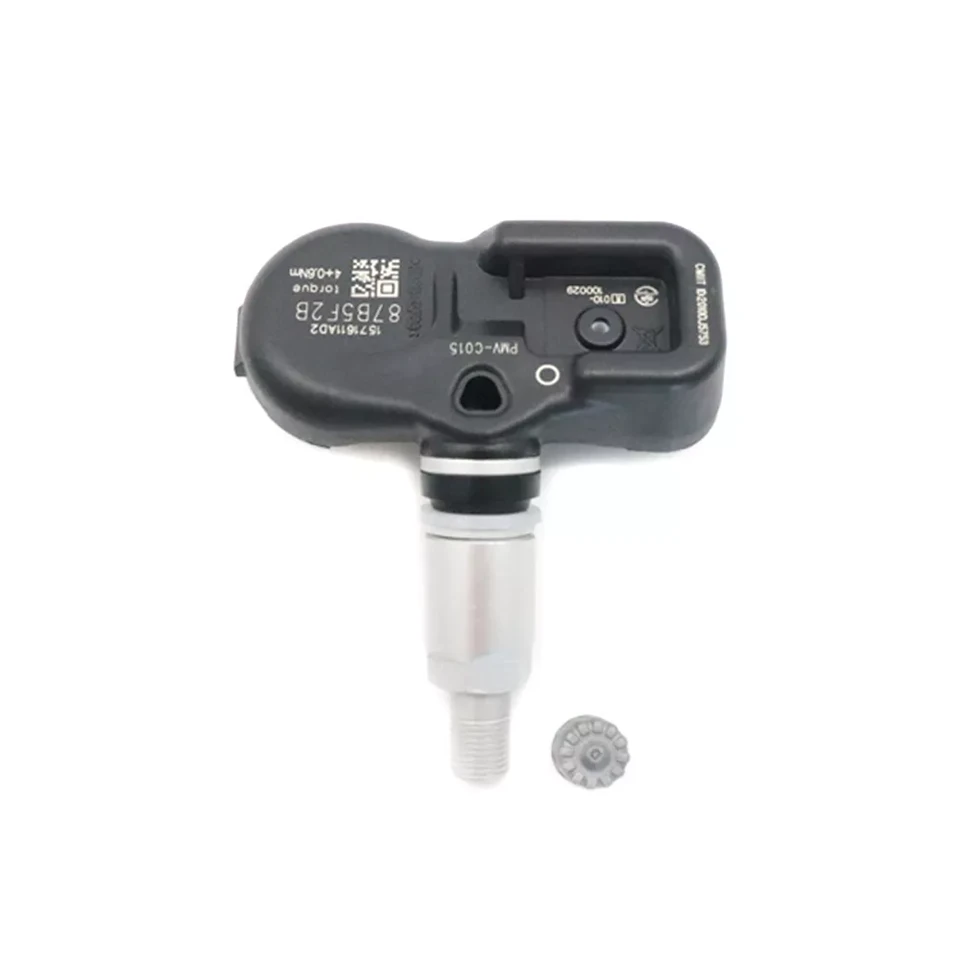

And it's not just BMWs. We also supply tire pressure sensors for other popular vehicles, like the Toyota Rav4 Tire Pressure Sensor. Whether you're a car owner looking to replace a faulty sensor or a mechanic in need of reliable parts for your customers, we're here to help.
When it comes to replacing a tire pressure sensor, it's not always a straightforward process. You can't just swap it out and expect everything to work right away. The new sensor needs to be programmed and calibrated to your vehicle's TPMS. That's why we offer support for Tire Pressure Monitoring System Sensor Replacement. Our team can guide you through the installation process or even provide professional installation services if needed.
To prevent water damage to your BMW tire pressure sensors in the first place, there are a few things you can do. First, try to avoid driving through really deep puddles or flooded areas whenever possible. If you do have to drive through water, go slowly to reduce the chances of water splashing up into the wheel wells where the sensors are located.
Also, make sure to keep your tires and wheels clean. Dirt and grime can build up around the sensors and compromise their seals over time. Regularly washing your car, especially the wheels, can help prevent this.
In conclusion, while BMW tire pressure sensors are built to be tough, they can be damaged by water immersion. Water can cause short - circuits, corrosion, and other problems that can lead to sensor failure. If you notice any signs of a malfunctioning sensor, don't hesitate to reach out to us. We're here to provide you with the best - quality sensors and the support you need to keep your vehicle running safely.
If you're interested in purchasing BMW tire pressure sensors or have any questions about our products and services, feel free to get in touch with us. We're always happy to have a chat and help you find the right solution for your needs.
References
- Automotive Engineering Handbook: Tire Pressure Monitoring Systems
- BMW Technical Service Bulletins on TPMS
- Industry research on the effects of water on automotive sensors