

Yo, what's up, fellow car enthusiasts! I'm a supplier of gasoline fuel injectors, and today I'm gonna dive deep into how these little wonders are controlled in an engine. It's a pretty cool topic, and understanding it can help you get the most out of your ride.
First off, let's talk about what a gasoline fuel injector actually does. In simple terms, it's a device that sprays fuel into the engine's combustion chamber at the right time and in the right amount. This is crucial for efficient combustion, which means better performance, lower emissions, and improved fuel economy.
So, how are these fuel injectors controlled? Well, it all starts with the engine control unit (ECU). The ECU is like the brain of the engine, and it's constantly monitoring a whole bunch of sensors to figure out what's going on. These sensors include things like the throttle position sensor, the oxygen sensor, the engine temperature sensor, and the mass airflow sensor.
Based on the data it receives from these sensors, the ECU calculates the optimal amount of fuel that needs to be injected into the engine. It then sends a signal to the fuel injectors, telling them when to open and for how long. This signal is usually in the form of an electrical pulse, and the length of the pulse determines how much fuel is injected.
There are a few different ways that the ECU can control the fuel injectors. One common method is called sequential fuel injection. In this system, the fuel injectors are fired one at a time, in a specific order. This allows for more precise control of the fuel delivery, which can improve engine performance and fuel economy.
Another method is called batch fuel injection. In this system, the fuel injectors are fired in groups, rather than one at a time. This is a simpler and less expensive system, but it's not as precise as sequential fuel injection.
There's also something called direct fuel injection. In this system, the fuel is injected directly into the combustion chamber, rather than into the intake manifold. This allows for even more precise control of the fuel delivery, which can result in better performance and lower emissions.
Now, let's talk about some of the factors that can affect the control of the fuel injectors. One of the most important factors is the engine's operating conditions. For example, if the engine is idling, it doesn't need as much fuel as it does when it's under heavy load. The ECU takes this into account and adjusts the fuel injection accordingly.
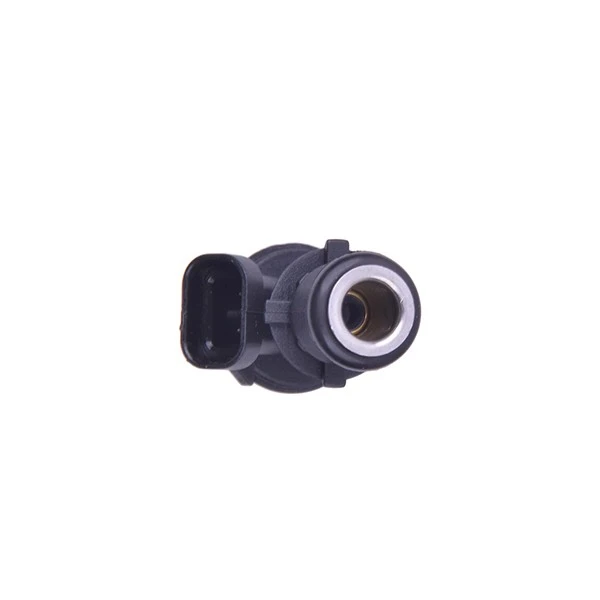

Another factor is the quality of the fuel. If the fuel is contaminated or of poor quality, it can cause problems with the fuel injectors. This can lead to poor performance, rough idling, and even engine damage. That's why it's important to use high-quality fuel and to keep your fuel system clean.
The temperature of the engine can also affect the control of the fuel injectors. When the engine is cold, it needs more fuel to start and run smoothly. The ECU takes this into account and adjusts the fuel injection accordingly.
Finally, the age and condition of the fuel injectors themselves can also affect their performance. Over time, the fuel injectors can become clogged or worn, which can lead to poor performance and reduced fuel economy. That's why it's important to have your fuel injectors inspected and cleaned regularly.
As a gasoline fuel injector supplier, I offer a wide range of high-quality fuel injectors for different makes and models of vehicles. Whether you're looking for Delphi Fuel Injectors, Nissan Fuel Injectors, or 2006 Ford 6.0 Injectors, I've got you covered.
If you're in the market for new fuel injectors, or if you have any questions about how they work, don't hesitate to reach out. I'm here to help you get the most out of your engine and to keep your vehicle running smoothly.
In conclusion, the control of gasoline fuel injectors in an engine is a complex process that involves the engine control unit, a variety of sensors, and a number of different factors. By understanding how this process works, you can make informed decisions about your vehicle's fuel system and ensure that it's running at its best.
References
- Bosch Automotive Handbook
- SAE International Journal of Engines