

Hey there! As a supplier of replacement tire pressure sensors, I often get asked about how to ensure the seal of these sensors. It's a crucial aspect because a proper seal not only guarantees accurate tire pressure readings but also prevents air leakage, which can lead to all sorts of problems down the road. In this blog, I'll share some tips and tricks on how to make sure that the seal of a replacement tire pressure sensor is top - notch.
First off, let's talk about why the seal matters so much. A tire pressure sensor is responsible for monitoring the air pressure inside your tires. If the seal is compromised, air can escape, causing the tire pressure to drop. This not only affects your vehicle's fuel efficiency but also poses a safety risk. Low tire pressure can lead to uneven tire wear, reduced traction, and even tire blowouts. So, getting that seal right is a must.
When you're replacing a tire pressure sensor, the first step is to choose the right sensor for your vehicle. There are different types of sensors out there, and they're not all one - size - fits - all. You need to make sure that the sensor you're using is compatible with your vehicle's make, model, and year. You can find detailed information about compatible sensors on our website, specifically on the Replacing Tire Pressure Sensor page. This will give you a good starting point and help you avoid any compatibility issues that could affect the seal.
Once you've got the right sensor, it's time to focus on the installation process. Before you install the new sensor, you need to thoroughly clean the valve stem and the area where the sensor will be attached. Any dirt, debris, or old sealant can prevent a proper seal from forming. Use a clean cloth and some mild soap and water to clean the valve stem. Make sure to dry it completely before moving on.
Next, apply a thin layer of high - quality sealant to the threads of the sensor and the valve stem. The sealant acts as a barrier, preventing air from leaking out. There are different types of sealants available, but make sure to choose one that is specifically designed for tire pressure sensors. This will ensure that it can withstand the high pressures and temperatures inside the tire.
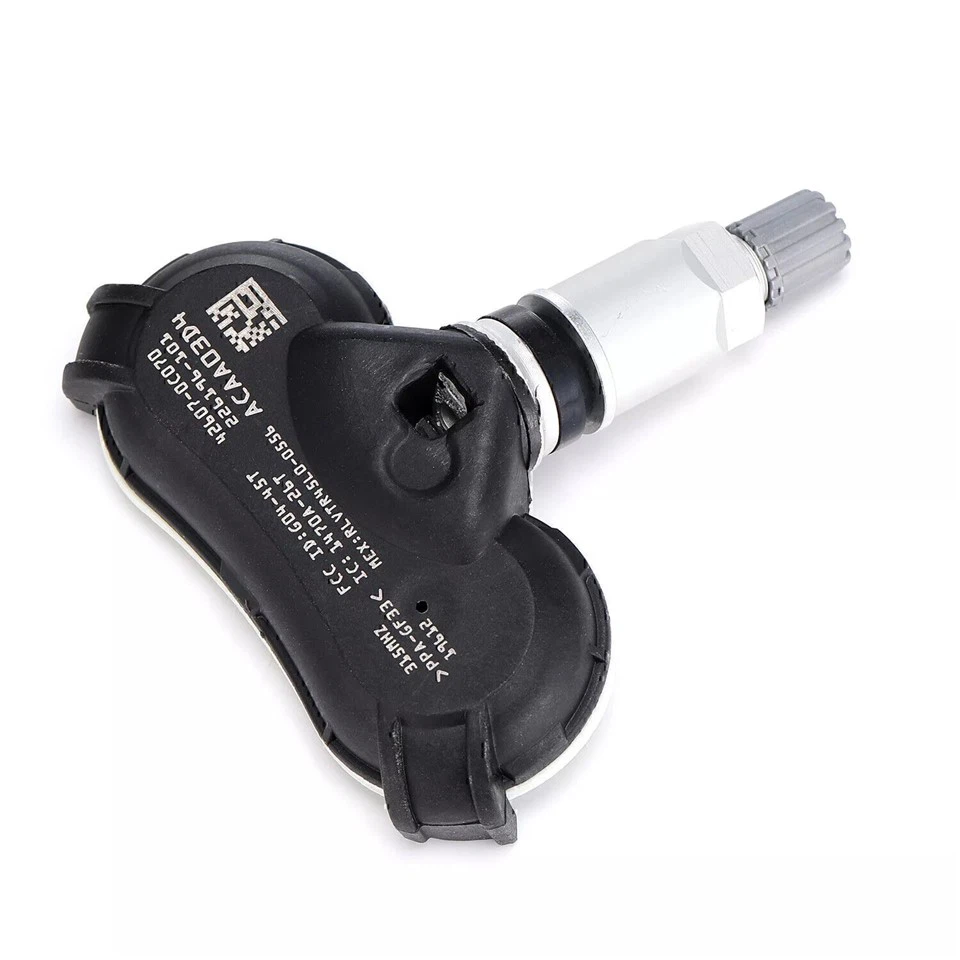

When you're installing the sensor, be careful not to overtighten it. Over - tightening can damage the sensor or the valve stem, which can lead to leaks. Use a torque wrench to tighten the sensor to the manufacturer's recommended torque specification. This will ensure that the sensor is tightened enough to create a good seal but not so much that it causes damage.
Another important factor is the O - ring. Most tire pressure sensors come with an O - ring, which is a small rubber ring that helps create a seal between the sensor and the valve stem. Make sure that the O - ring is in good condition before installation. If it's cracked, worn, or damaged, replace it with a new one. A faulty O - ring is one of the most common causes of air leaks in tire pressure sensors.
After you've installed the sensor, it's a good idea to check for leaks. You can do this by applying a soapy water solution to the area around the sensor. If you see bubbles forming, that means there's a leak. In this case, you'll need to remove the sensor, check the sealant and the O - ring, and reinstall it correctly.
Let's take a look at a specific example. The Subaru Forester Tire Pressure Sensor has its own set of requirements. Subaru Foresters are popular vehicles, and their tire pressure sensors need to be installed carefully. When working on a Subaru Forester, make sure to follow the specific installation instructions provided for this model. This will help you ensure a proper seal and accurate pressure readings.
Regular maintenance is also key to ensuring the long - term seal of your tire pressure sensor. Check your tire pressure regularly, at least once a month. This will not only help you keep an eye on the overall tire health but also allow you to detect any potential leaks early on. If you notice a sudden drop in tire pressure, it could be a sign of a problem with the sensor seal.
If you're a professional mechanic or a DIY enthusiast, you might be interested in learning more about the Tire Pressure Monitor Sensor Replacement process. Our website has detailed guides and resources that can help you with the installation and maintenance of tire pressure sensors. It's a great resource for anyone looking to ensure the proper seal of their replacement sensors.
In conclusion, ensuring the seal of a replacement tire pressure sensor is a multi - step process that requires attention to detail. From choosing the right sensor to proper installation and regular maintenance, every step plays a crucial role. By following these tips and using high - quality products, you can ensure that your tire pressure sensors are working correctly and providing accurate readings.
If you're in the market for replacement tire pressure sensors or have any questions about ensuring the seal, don't hesitate to reach out. We're here to help you make the right choice and ensure that your tires are safe and performing at their best. Contact us for more information and to start a procurement discussion.
References:
- General automotive repair manuals
- Manufacturer's instructions for tire pressure sensors