

Can a Toyota tire pressure sensor be affected by rough roads?
As a dedicated supplier of Toyota Tire Pressure Sensors, I've encountered numerous inquiries regarding the durability and performance of these sensors under various driving conditions. One question that frequently arises is whether a Toyota tire pressure sensor can be affected by rough roads. In this blog post, I'll delve into the science behind tire pressure sensors, examine how rough roads might impact them, and offer insights on maintenance and replacement.
Understanding Tire Pressure Sensors
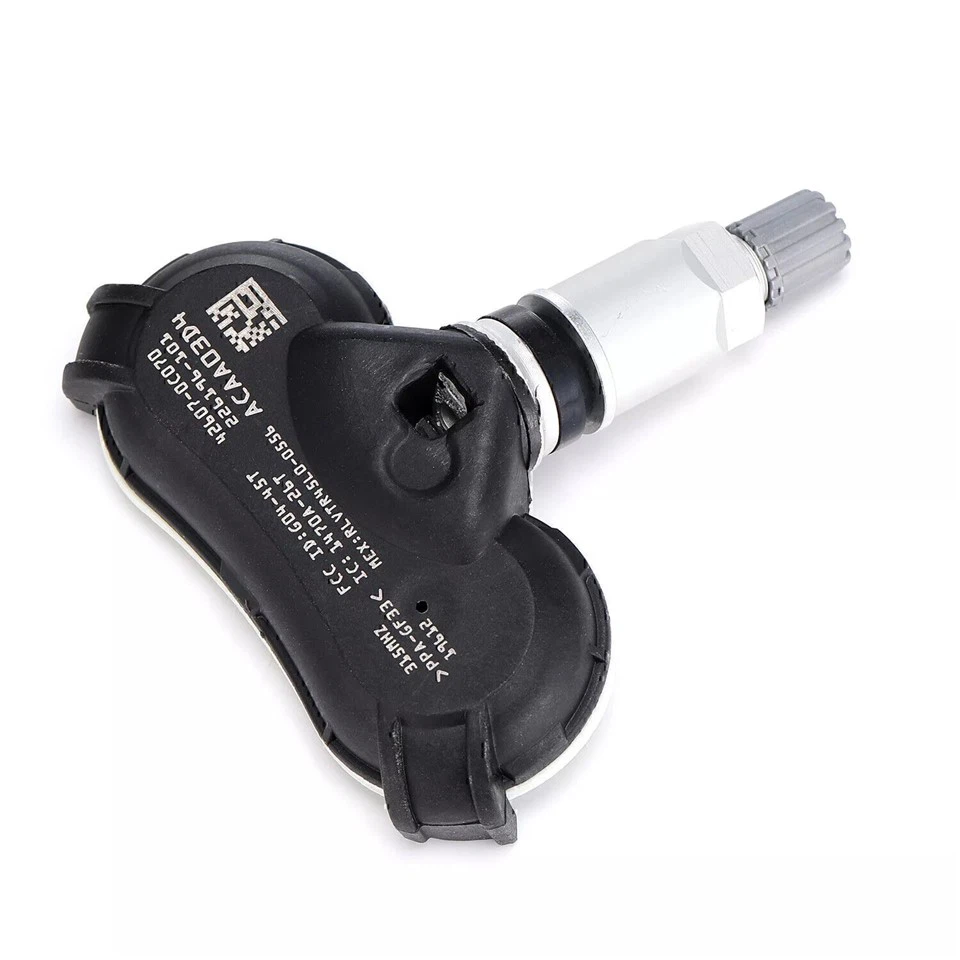
Before we discuss the effects of rough roads, it's essential to understand how tire pressure sensors work. Modern vehicles, including Toyota models, are equipped with Tire Pressure Monitoring Systems (TPMS) designed to alert drivers when tire pressure drops below a safe level. These systems rely on tire pressure sensors, which are typically mounted inside the tire, either on the valve stem or the wheel rim.
The sensors continuously monitor the air pressure inside the tires and transmit this data wirelessly to the vehicle's onboard computer. If the pressure falls outside the recommended range, the TPMS warning light illuminates on the dashboard, alerting the driver to check the tire pressure.
The Impact of Rough Roads on Tire Pressure Sensors
Rough roads, characterized by potholes, uneven surfaces, and gravel, can pose several challenges to tire pressure sensors. Here are some ways in which rough roads might affect these sensors:

Physical Damage
One of the most significant risks of driving on rough roads is physical damage to the tire pressure sensors. Potholes and other road hazards can cause the sensors to collide with the inside of the tire or the wheel rim, leading to cracks, breaks, or other forms of damage. Even minor impacts can disrupt the sensor's internal components, affecting its accuracy and functionality.
Vibration and Shock
Rough roads generate excessive vibration and shock, which can also take a toll on tire pressure sensors. Over time, these vibrations can loosen the sensor's connections, causing it to malfunction or lose its ability to transmit accurate data. Additionally, the constant jolting can damage the sensor's delicate electronic components, leading to premature failure.
Dust and Debris
Driving on gravel or unpaved roads can expose tire pressure sensors to dust, dirt, and other debris. This debris can accumulate inside the sensor, interfering with its operation and causing it to provide inaccurate readings. In some cases, the debris can even clog the sensor's vents, preventing it from measuring the tire pressure correctly.
Signs of a Damaged Tire Pressure Sensor
If your Toyota is equipped with a tire pressure sensor, it's important to be aware of the signs of a damaged or malfunctioning sensor. Here are some common symptoms to watch out for:
Illuminated TPMS Warning Light
The most obvious sign of a problem with your tire pressure sensor is an illuminated TPMS warning light on your dashboard. If the light comes on and stays on, it indicates that the sensor has detected a significant drop in tire pressure or is malfunctioning.
Inaccurate Tire Pressure Readings
If you notice that your tire pressure readings are inconsistent or inaccurate, it could be a sign of a damaged sensor. For example, the readings might fluctuate wildly or show a different pressure than what you measure with a manual tire pressure gauge.
Sensor Failure
In some cases, a tire pressure sensor may fail completely, resulting in no tire pressure readings at all. If this happens, the TPMS warning light will typically illuminate, and you may need to have the sensor replaced.
Maintenance and Replacement of Tire Pressure Sensors
To ensure the longevity and reliability of your Toyota tire pressure sensors, it's important to follow a regular maintenance schedule. Here are some tips to help you keep your sensors in good working condition:
Check Your Tire Pressure Regularly
Even if your vehicle is equipped with a TPMS, it's still a good idea to check your tire pressure regularly using a manual tire pressure gauge. This will help you detect any sudden changes in tire pressure and ensure that your sensors are providing accurate readings.
Inspect Your Tires for Damage
When you check your tire pressure, take a few minutes to inspect your tires for signs of damage, such as cuts, bulges, or punctures. If you notice any damage, have your tires repaired or replaced immediately to prevent further damage to your tire pressure sensors.
Replace Your Sensors as Needed
Tire pressure sensors have a limited lifespan, typically ranging from 5 to 10 years. As they age, they become more prone to failure and may need to be replaced. If you experience any of the symptoms mentioned above, or if your sensors are approaching the end of their lifespan, it's a good idea to have them replaced by a qualified technician.
If you need to replace your Toyota tire pressure sensors, we offer a wide range of high-quality sensors that are compatible with various Toyota models. Our sensors are designed to meet or exceed OEM specifications, ensuring reliable performance and accurate readings. You can learn more about Replacing Tire Pressure Sensor on our website.
Cost of Tire Pressure Sensor Replacement
The cost of replacing a tire pressure sensor can vary depending on several factors, including the make and model of your vehicle, the type of sensor required, and the labor costs in your area. On average, the cost of a single tire pressure sensor ranges from $50 to $150, while the cost of replacing all four sensors can range from $200 to $600.
To get an accurate estimate of the cost of replacing your Toyota tire pressure sensors, we recommend contacting us for a quote. We offer competitive pricing and fast turnaround times, ensuring that you get the best value for your money. You can also find more information about Tire Pressure Sensor Replacement Cost on our website.
Compatibility with Other Vehicles
While our focus is on Toyota tire pressure sensors, we also offer a range of sensors that are compatible with other makes and models, including Subaru Forester. If you're looking for a Tire Pressure Sensor Subaru Forester, we have the right solution for you. Our sensors are designed to fit seamlessly into your vehicle's TPMS, providing reliable performance and accurate readings.
Conclusion
In conclusion, rough roads can have a significant impact on Toyota tire pressure sensors, causing physical damage, vibration, and exposure to dust and debris. To ensure the longevity and reliability of your sensors, it's important to follow a regular maintenance schedule and replace them as needed. If you're experiencing any problems with your tire pressure sensors, or if you're looking to upgrade to a new set of sensors, we're here to help.
As a leading supplier of Toyota Tire Pressure Sensors, we're committed to providing our customers with high-quality products and exceptional service. Whether you're a DIY enthusiast or a professional mechanic, we have the expertise and resources to meet your needs. Contact us today to learn more about our products and services, and to start a conversation about your tire pressure sensor requirements. We look forward to working with you!
References
- "Tire Pressure Monitoring Systems (TPMS): How They Work and Why They're Important." National Highway Traffic Safety Administration.
- "The Effects of Rough Roads on Vehicle Components." Society of Automotive Engineers.
- "Maintenance and Replacement of Tire Pressure Sensors." Consumer Reports.