

Hey everyone, if you’re driving a BMW and you’ve ever seen that TPMS (Tire Pressure Monitoring System) light blink or stay lit on your dash, you know how annoying it can be. It’s not just a random warning—those sensors are super important for safety, fuel efficiency, and making sure your tires wear evenly. I’ve been in the tire pressure sensor game for over 8 years now, supplying BMW drivers with top-tier sensors and helping folks figure out how to reset them right the first time. Today, I’m breaking down exactly how to reset your BMW TPMS, what can go wrong, and why getting it right matters.
First, let’s get the basics straight: BMW uses two main TPMS systems, right? There’s the older Direct TPMS (DTPMS) that uses individual sensors in each wheel, and newer models (post-2014, mostly) that might have Indirect TPMS (ITMS) which uses the anti-lock brake sensors to check tire rotation instead. Wait, but when people talk about resetting, they’re almost always dealing with Direct TPMS, because that’s the one that has actual sensors sending pressure data. That’s where I come in—my team supplies these sensors, like our dedicated Bmw Tire Pressure Monitor Sensor line, so I’ve worked through more reset issues than I can count.
Let’s start with the most common scenario: you just rotated your tires, replaced a flat, or added air, and the TPMS light is still on. That’s the number one reason people need to reset their sensors. Here’s the step-by-step guide that works for most BMW models (3 Series, 5 Series, X3, X5, all the popular ones—just double-check your owner’s manual for your specific year, since some tweaks apply):
- Get all tires to the correct pressure first. This is non-negotiable. If one tire is at 30 PSI and another at 35, the system can’t sync. BMW recommends checking when tires are cold (before driving, or after sitting 3+ hours) because heat makes pressure rise. Pop your driver’s side door—there’s a sticker there that tells you the exact PSI for front and rear (don’t go by what’s on the tire sidewall, that’s max, not recommended).
- Turn the ignition to “On” (not start the engine). You don’t want the car running yet.
- Use the iDrive controller (or your dash buttons if you have an older model). Navigate to “Vehicle” then “Vehicle Status” then “TPMS”. If you have a pre-iDrive BMW (like an E90), you might press the “trip” button on the dash until you see the TPMS menu.
- Select “Reset TPMS” or “Relearn Sensors”. The system will ask you to confirm—hit yes. A lot of people skip this step and wonder why it doesn’t work, so don’t rush.
- Drive for 10-15 minutes at 50+ km/h (30+ mph). This part is key—TPMS sensors need movement to send their data to the car’s ECU. If you just reset and park, it won’t sync. I’ve seen so many customers get mad because they reset in the driveway and the light didn’t go off, but it just needs a quick drive.
Wait, what if that doesn’t work? Maybe you replaced a faulty sensor. That’s where my supply side comes in—if your old sensor died (battery life is 5-7 years, by the way, so if your car’s older than that, it’s probably time to swap), you’d grab a new one, and then you might need a “relearn” step that’s a little different. For aftermarket sensors (like ours, which are direct-fit for BMWs), you’ll usually need a TPMS tool to activate the sensor so the car recognizes it. That’s a quick fix, but if you’re not handy with tools, a shop can do it for like $20-$30.
Now, let’s talk about common mistakes I see all the time. First, resetting without fixing the pressure. If your light is on because you have a low tire, resetting won’t turn it off—you’ll just get the light again a few minutes later. Second, mixing up the sensors. BMW has specific sensors for different wheel sizes, right? Our Bmw Tire Pressure Monitor Sensor is calibrated exactly for BMW’s models, so you don’t have to worry about compatibility—no guesswork, no returns because “it didn’t work”. Third, not driving long enough. I can’t stress that enough—even if you follow all the steps, if you only drive around the block, the sensors might not send their signal.
What about if you have an indirect TPMS? Wait, BMW doesn’t use ITMS as their main system anymore, but some older 1 Series might. Indirect doesn’t have individual sensors, so resetting is just recalibrating the brake sensors. But that’s way less common, and if you’re reading this, you probably have Direct TPMS since you reached out about a sensor.
Let me also touch on why this matters beyond just the light being off. The NHTSA says TPMS helps prevent 70% more tire-related crashes, and bad sensor data can lead to you driving on underinflated tires, which lowers gas mileage by 3-4% (that’s $100+ a year for most drivers) and increases risk of blowouts. So getting your sensors working right isn’t just a hassle—it’s safety.
Now, I know some of you might have other cars too, just for context. For example, if you drive a Honda, resetting is similar but with the Honda Civic Tire Pressure Sensor line we supply, steps are a little different (you might use a different button sequence). Same with Subarus—our Tire Pressure Sensor Subaru Forester and Tire Pressure Sensor Subaru Crosstrek have their own reset guides, too, and Toyotas with our Toyota Tire Pressure Sensor follow their own process. But today, we’re focused on BMW, so back to that.
Another thing: sensor batteries. They’re sealed, so you can’t replace them—you have to swap the whole sensor. Like I said, 5-7 years is the average, so if your car is from 2016, your sensor is probably on its way out. If your TPMS light comes on even after you reset and check pressure, that’s a red flag for a bad sensor. That’s where I come in—we don’t sell cheap knockoffs, our sensors are OE-comparable, so they fit right, sync fast, and last as long as the original.
Wait, what about if your car won’t recognize a new sensor? Sometimes you need a tool called a TPMS programmer, and if you don’t have one, a tire shop can do it. But for most people, if you follow the initial reset steps and the sensor is correct, it’ll work. I’ve had customers order our Bmw Tire Pressure Monitor Sensor, pop it in, reset, and drive away with the light off in 10 minutes. That’s the good stuff.
Let me also address a common myth: some people think you have to take your car to the dealership to reset. No, not for most BMWs. The steps I listed work for 90% of models from the last 10 years, and even older ones. The dealership might charge $80-$100, which is ridiculous, so why pay that when you can do it yourself? Just make sure you follow the steps exactly—no skipping the pressure check, no cutting the drive time short.
What if you’ve tried all the reset steps and the light is still on? Let’s troubleshoot a little. First, check if your spare tire has a sensor. A lot of BMWs have a sensor in the spare, and if that’s the one that’s low, the light might stay on even if your four tires are good. Some reset steps let you include the spare, so make sure you check that too. Second, check for damage—if you hit a pothole hard, the sensor could be damaged, so even if pressure is good, it’s not sending a signal. That’s when you need a new sensor, and our team can help you pick the right one—no weird sizes, no compatibility issues.

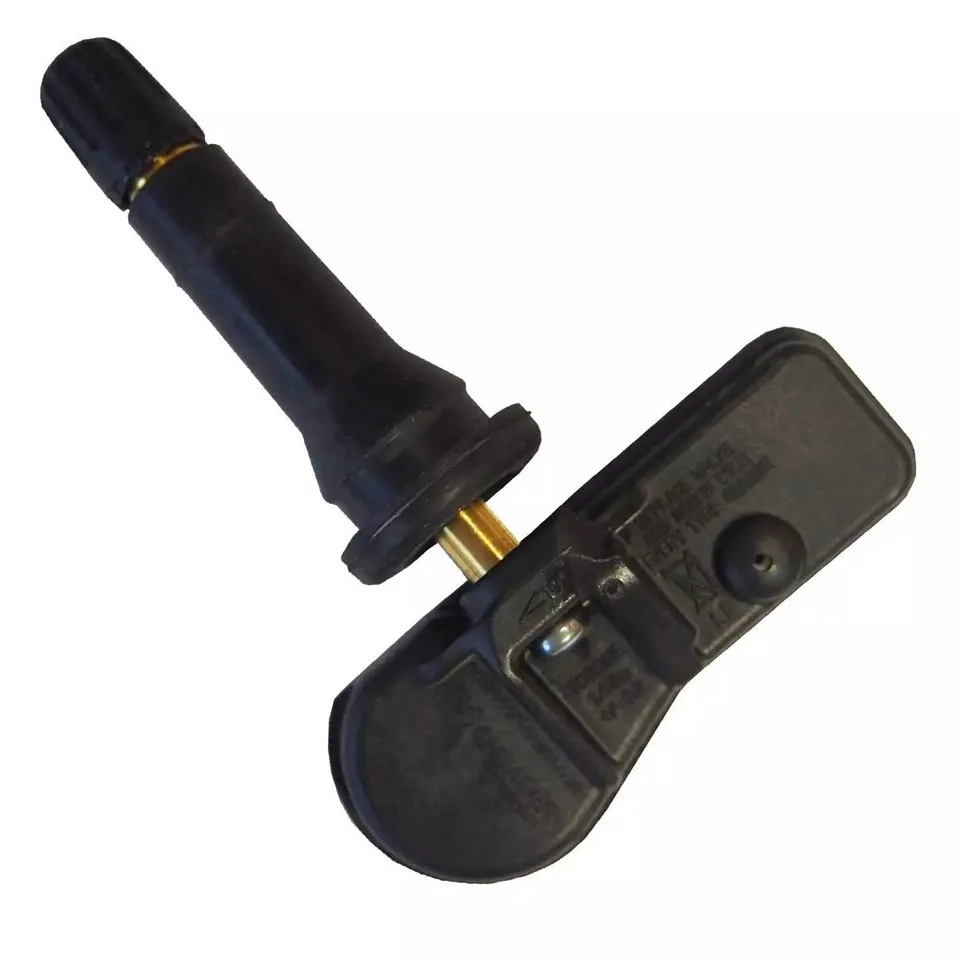
Now, since I’m a supplier, I should let you know that if you need a replacement BMW TPMS, we’ve got you covered. Our Bmw Tire Pressure Monitor Sensor line is tested to meet all OE specs, so you don’t have to stress about it not working. We ship fast, too, so you don’t have to wait around for a part. If you’ve got questions about which sensor fits your model, or how to make resetting work with a new one, hit us up. I’ve helped hundreds of drivers fix their TPMS issues, so even if you’re stuck, just reach out.
Wait, let’s wrap this up with a quick recap, so you don’t have to scroll back:
- Check all tire pressures (cold, correct PSI for your BMW)
- Ignition on, navigate to TPMS reset in your iDrive/menu
- Confirm reset, drive 10+ minutes at 30+ mph
- If light still on, check spare, sensor damage, or replace a faulty sensor (we supply the right ones)
And if you’re curious about other cars, we’ve got you covered too—Honda, Subaru, Toyota, all the popular models, with sensors and reset tips. But today, it’s all about BMW.
So, next time that TPMS light pops up, don’t panic. Grab your pressure gauge, follow those steps, and if you need a sensor, our team is here to help with genuine, OE-comparable parts. We’re all about making tire pressure sensors easy for drivers, so no more guessing, no more dealership markup. If you’re looking to purchase a new BMW TPMS sensor or have questions about resetting, feel free to reach out to us directly for a chat about what you need.
That’s it for today—if this helped you out, share it with a BMW buddy who’s been struggling with their TPMS light. Thanks for reading!
References
- National Highway Traffic Safety Administration (NHTSA) – Tire Pressure Monitoring System Safety Benefits
- BMW Owner’s Manuals – TPMS Reset Guidelines for Model Years 2012-2022
- Tire Pressure Sensor Industry Standards – SAE J2699 for Direct TPMS Systems
- Automotive Battery Life Data – TPMS Sensor Battery Lifespan Reports (2023)