

As a tire pressure sensor supplier, ensuring the accuracy of these sensors is of utmost importance. Tire pressure sensors play a crucial role in maintaining vehicle safety, improving fuel efficiency, and extending tire lifespan. In this blog post, I will share some effective methods to check the accuracy of a tire pressure sensor.
Understanding the Basics of Tire Pressure Sensors
Before diving into the checking methods, it's essential to understand how tire pressure sensors work. There are two main types of tire pressure sensors: direct and indirect.
Direct tire pressure sensors are installed inside the tire, usually on the valve stem. They measure the actual air pressure in the tire and send the data to the vehicle's onboard computer. Indirect tire pressure sensors, on the other hand, use the vehicle's anti - lock braking system (ABS) to monitor tire rotation speed. A change in tire pressure can cause a change in the tire's rolling radius, which is detected by the ABS sensors.
Visual Inspection
The first step in checking the accuracy of a tire pressure sensor is a visual inspection. Look for any signs of physical damage to the sensor, such as cracks, dents, or corrosion. A damaged sensor may not function correctly and can give inaccurate readings.
Inspect the valve stem where the sensor is attached. A loose or damaged valve stem can also affect the sensor's performance. Make sure the valve cap is properly tightened, as a missing or loose valve cap can allow dirt and moisture to enter the valve stem, potentially damaging the sensor.
Comparison with a Manual Tire Pressure Gauge
One of the simplest and most reliable ways to check the accuracy of a tire pressure sensor is to compare its readings with those of a manual tire pressure gauge. Here's how you can do it:
- Prepare a high - quality manual tire pressure gauge: Make sure the gauge is in good condition and has been calibrated recently. You can purchase a reliable manual tire pressure gauge from an auto parts store.
- Check the tire pressure with the manual gauge: Remove the valve cap from the tire and firmly press the manual tire pressure gauge onto the valve stem. You should hear a brief hiss of air as the gauge makes contact. Read the pressure value on the gauge.
- Check the tire pressure on the vehicle's dashboard: Look at the tire pressure reading displayed on the vehicle's dashboard. This reading is provided by the tire pressure sensor.
- Compare the readings: Compare the reading from the manual gauge with the reading on the dashboard. If the difference between the two readings is within 1 - 2 psi (pounds per square inch), the sensor is likely to be accurate. However, if the difference is more significant, the sensor may need further inspection or replacement.
It's important to note that tire pressure can change with temperature. For accurate comparison, make sure the tires are at the same temperature when you take both readings. Tires that have been driven on recently will have a higher pressure due to the heat generated by friction.
Using a Diagnostic Tool
If you suspect that the tire pressure sensor is not accurate but the comparison with a manual gauge doesn't provide a clear answer, you can use a diagnostic tool. A diagnostic tool can communicate with the tire pressure sensor and provide more detailed information about its performance.
There are two types of diagnostic tools: handheld and professional. Handheld diagnostic tools are relatively inexpensive and easy to use. They can read the sensor's data and display it on a screen. Professional diagnostic tools, on the other hand, are more advanced and can perform more comprehensive tests. They are usually used by automotive technicians.
To use a diagnostic tool:
- Select the appropriate diagnostic tool: Make sure the tool is compatible with your vehicle's make and model.
- Connect the diagnostic tool to the vehicle: Most vehicles have an OBD - II (On - Board Diagnostic) port, usually located under the dashboard. Connect the diagnostic tool to this port.
- Follow the tool's instructions: The diagnostic tool will guide you through the process of reading the tire pressure sensor data. It may display the current tire pressure readings, as well as any error codes associated with the sensor.
- Interpret the results: If the diagnostic tool shows an error code, it indicates a problem with the sensor. You can refer to the tool's manual or consult an automotive technician for further diagnosis and repair.
Calibration of Tire Pressure Sensors
In some cases, a tire pressure sensor may need to be calibrated to ensure accurate readings. Calibration is the process of adjusting the sensor's settings to match the actual tire pressure.
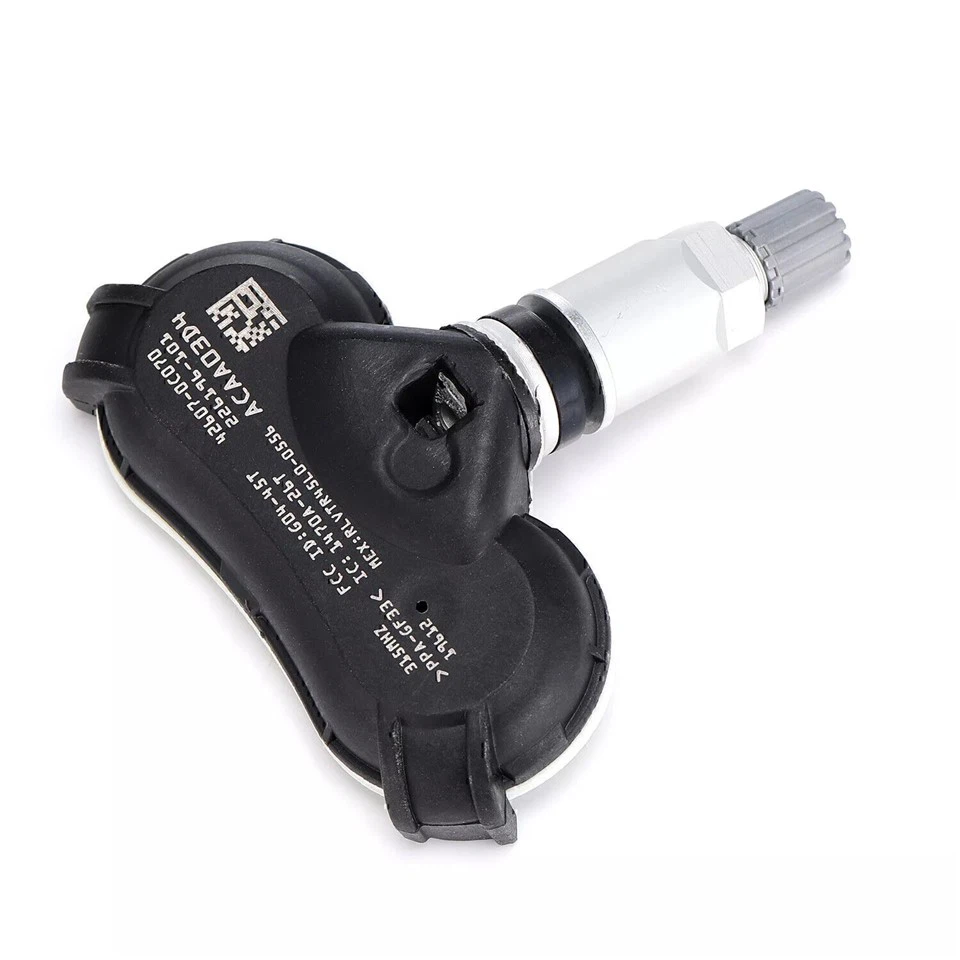

The calibration process can vary depending on the vehicle's make and model. Some vehicles have a built - in calibration procedure that can be performed through the vehicle's onboard computer. Others may require the use of a diagnostic tool.
Here are the general steps for calibrating a tire pressure sensor:
- Check the vehicle's owner's manual: The owner's manual will provide specific instructions on how to calibrate the tire pressure sensors for your vehicle.
- Inflate the tires to the recommended pressure: Use a manual tire pressure gauge to inflate the tires to the pressure recommended by the vehicle manufacturer. This information can usually be found on a sticker inside the driver's door or in the owner's manual.
- Initiate the calibration process: Follow the instructions in the owner's manual or use the diagnostic tool to initiate the calibration process. This may involve pressing a button on the dashboard or using a specific sequence of steps on the diagnostic tool.
- Wait for the calibration to complete: The calibration process may take a few minutes. During this time, the vehicle should be stationary, and the engine should be running.
When to Replace a Tire Pressure Sensor
If you have tried all the above methods and still find that the tire pressure sensor is inaccurate, it may be time to replace it. Here are some signs that indicate a tire pressure sensor needs to be replaced:
- Constantly inaccurate readings: If the sensor consistently gives readings that are significantly different from the actual tire pressure, even after calibration, it may be faulty.
- Warning light on the dashboard: A persistent tire pressure warning light on the dashboard can indicate a problem with the sensor. If the warning light remains on even after you have checked and adjusted the tire pressure, the sensor may need to be replaced.
- Physical damage: As mentioned earlier, physical damage to the sensor, such as cracks or corrosion, can render it inoperable. In such cases, replacement is necessary.
If you need to replace a tire pressure sensor, you can find more information on Replacing Tire Pressure Sensor, Tire Pressure Monitor Sensor Replacement, and Tire Pressure Sensor Replacement Cost.
Conclusion
Checking the accuracy of a tire pressure sensor is an important part of vehicle maintenance. By following the methods outlined in this blog post, you can ensure that your tire pressure sensors are providing accurate readings, which is essential for vehicle safety and performance.
As a tire pressure sensor supplier, we are committed to providing high - quality sensors that meet the highest standards of accuracy and reliability. If you are interested in purchasing our tire pressure sensors or have any questions about their performance and maintenance, please feel free to contact us for further discussion and procurement negotiations.
References
- "Automotive Tire Pressure Monitoring Systems (TPMS): Technology and Applications" by some automotive engineering publication.
- Vehicle owner's manuals for various makes and models.
- Industry standards and guidelines for tire pressure sensors.