

What are the differences in tire pressure sensors between different Subaru models?
As a long - time supplier of Subaru tire pressure sensors, I've had the privilege of closely observing the nuances in these crucial components across various Subaru models. Tire pressure sensors are not just simple add - ons; they play a vital role in vehicle safety, fuel efficiency, and tire longevity. In this blog, I'll delve into the differences in tire pressure sensors among different Subaru models.
Understanding the Basics of Tire Pressure Sensors
Before we explore the model - specific differences, it's important to understand what tire pressure sensors are. These sensors are designed to monitor the air pressure inside the tires. There are two main types: direct and indirect. Direct tire pressure sensors use pressure - sensing devices installed inside each tire to measure the actual pressure. Indirect sensors, on the other hand, rely on the vehicle's anti - lock braking system (ABS) to estimate tire pressure based on the rotational speed of the wheels.
Subaru predominantly uses direct tire pressure sensors across its models. This is because direct sensors provide more accurate and real - time pressure readings, which are essential for maintaining optimal tire performance.
Differences in Sensor Technology
Over the years, Subaru has continuously updated the technology used in its tire pressure sensors. Older Subaru models, such as the Impreza from the early 2000s, were among the first to introduce tire pressure monitoring systems (TPMS). These early sensors had a relatively basic design. They used radio frequency (RF) technology to transmit pressure data to the vehicle's onboard computer. However, the range and reliability of these early RF transmissions were somewhat limited.
As technology advanced, newer Subaru models like the Forester and Outback received more sophisticated sensors. These sensors are equipped with improved RF transmitters that have a wider range and better signal strength. This means that the data is more likely to be transmitted accurately, even in challenging driving conditions. Additionally, the newer sensors are more energy - efficient, which extends their battery life.
Compatibility and Model - Specific Features
One of the significant differences in tire pressure sensors between Subaru models lies in their compatibility. Each Subaru model has a unique electrical system and onboard computer configuration. As a result, the tire pressure sensors need to be specifically calibrated to work seamlessly with the vehicle's system.
For example, the Subaru WRX, a high - performance model, has a more complex engine management system. The tire pressure sensors in the WRX are calibrated to provide real - time pressure data that can be integrated with the vehicle's performance - oriented features. This allows the driver to have a better understanding of how tire pressure affects the car's handling at high speeds.
In contrast, the Subaru Crosstrek, which is more of a compact crossover, has sensors that are optimized for a balance between fuel efficiency and off - road capability. The sensors in the Crosstrek can detect subtle changes in tire pressure when driving on uneven terrain, which helps in maintaining traction and preventing tire damage.
Sensor Placement and Design
The placement and design of tire pressure sensors also vary between Subaru models. In some models, like the Legacy, the sensors are placed inside the valve stem of the tire. This design makes it easier to install and replace the sensors. However, it also exposes the sensors to more external elements, such as dirt and moisture, which can potentially affect their performance.
On the other hand, some Subaru models, such as the Ascent, have sensors that are mounted on the inner side of the tire. This placement provides better protection for the sensors, but it can be more challenging to access them during maintenance or replacement.
Impact on Vehicle Safety and Performance
The differences in tire pressure sensors can have a significant impact on vehicle safety and performance. Accurate tire pressure monitoring is crucial for preventing tire blowouts, which can be extremely dangerous, especially at high speeds. In Subaru models with advanced tire pressure sensors, the driver is immediately alerted if the tire pressure drops below a safe level. This gives the driver enough time to take corrective action, such as inflating the tires or pulling over safely.
Moreover, proper tire pressure also affects fuel efficiency. Under - inflated tires increase rolling resistance, which means the engine has to work harder to move the vehicle. Subaru models with precise tire pressure sensors help the driver maintain the optimal tire pressure, thereby improving fuel economy.
Replacement and Maintenance
When it comes to replacing tire pressure sensors, it's important to use the correct sensors for each Subaru model. Using an incompatible sensor can lead to inaccurate readings and potentially cause issues with the vehicle's onboard computer.
If you're interested in learning more about tire pressure sensor replacement, you can visit Tire Pressure Sensor Replacement Cost. This resource provides detailed information on the cost and process of replacing tire pressure sensors.
For those who own other vehicle brands and are looking for replacement options, we also have information on Bmw Tire Pressure Sensor Replacement and Toyota Rav4 Tire Pressure Sensor.
Conclusion
In conclusion, there are several differences in tire pressure sensors between different Subaru models. These differences range from sensor technology and compatibility to placement and design. As a supplier of Subaru tire pressure sensors, I understand the importance of providing high - quality, model - specific sensors to ensure the safety and performance of your vehicle.
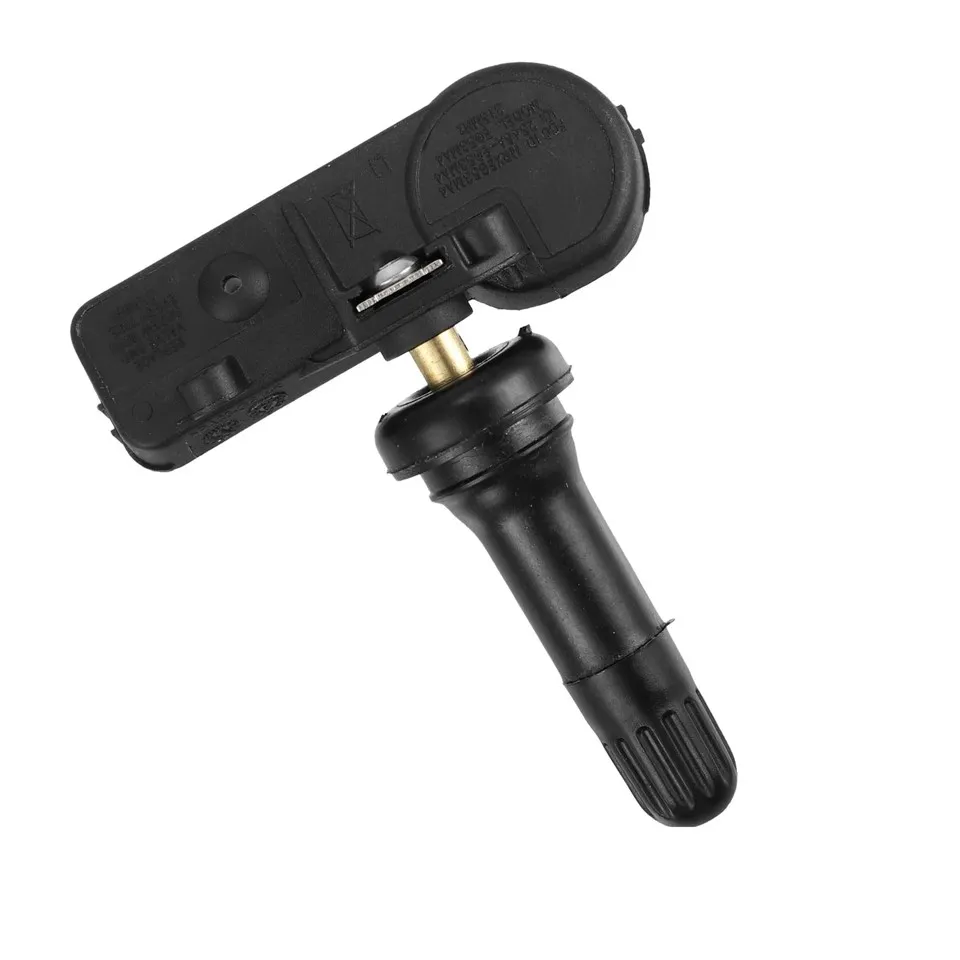

If you're in the market for Subaru tire pressure sensors or have any questions about our products, I encourage you to reach out for a procurement discussion. We have a team of experts who can help you find the right sensors for your Subaru model and provide you with all the necessary support.
References
- "Automotive Tire Pressure Monitoring Systems: Technology and Standards" by SAE International
- Subaru official service manuals for various models
- Industry reports on tire pressure sensor technology advancements