

Hey there! As a supplier of Honda Tire Pressure Sensors, I get a ton of questions about what the normal pressure reading should be for these sensors. So, I thought I'd break it down for you in this blog post.
First off, let's talk about why tire pressure is so important. Having the right tire pressure isn't just about a smooth ride; it's crucial for your safety on the road. Under - inflated tires can lead to poor handling, increased fuel consumption, and even tire blowouts. On the other hand, over - inflated tires can cause uneven tire wear and a harsher ride.
Now, for Honda vehicles, the normal tire pressure can vary depending on the model. Most Honda cars have a recommended tire pressure between 30 and 35 PSI (pounds per square inch). You can usually find this information in a few different places. One of the easiest ways is to check the driver's side door jamb. There's often a sticker there that tells you the recommended tire pressure for both the front and rear tires.
Another place to look is in your vehicle's owner's manual. It has all the detailed information about your specific Honda model, including the ideal tire pressure. This is especially useful if you have a newer or more specialized Honda model.

Let's take a look at some common Honda models and their typical tire pressure readings:
Honda Civic
The Honda Civic is one of the most popular cars out there. For most Civic models, the recommended tire pressure is around 32 PSI for both the front and rear tires. However, if you're carrying a heavy load or have a different trim level, this might change slightly.
Honda Accord
The Accord is a bit larger than the Civic, and its recommended tire pressure is usually around 33 PSI for the front tires and 32 PSI for the rear tires. Again, always double - check the sticker on the door jamb or your owner's manual.
Honda CR - V
This SUV is known for its versatility. The recommended tire pressure for the CR - V is typically 32 PSI all around. But just like with other models, it can vary based on factors like the load you're carrying.
It's important to note that these are just general guidelines. The actual normal pressure reading for your Honda's tire pressure sensor might be different based on your vehicle's specific configuration.
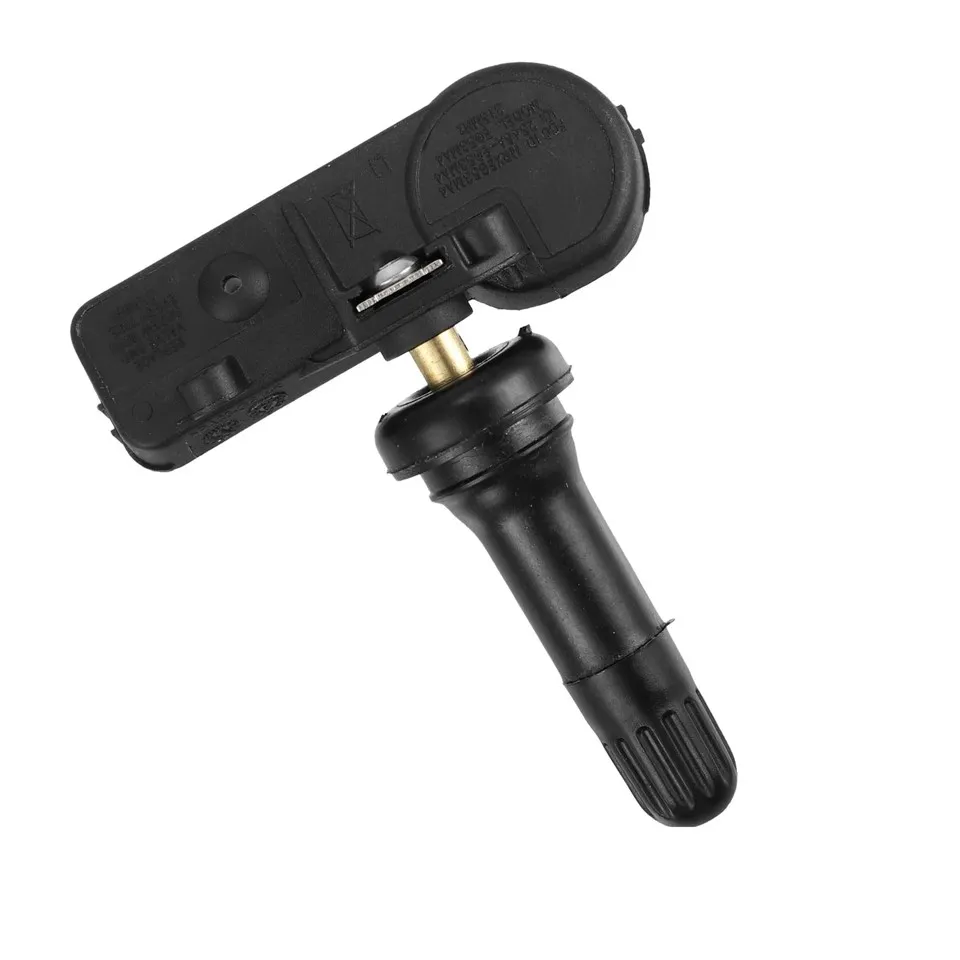
Now, let's talk about how the tire pressure sensor works. These sensors are installed in each tire and they constantly monitor the air pressure. When the pressure drops below or goes above the recommended range, the sensor sends a signal to your car's computer system, which then triggers a warning light on your dashboard.
If you see that warning light come on, don't panic. First, check your tire pressure using a reliable tire pressure gauge. If the pressure is low, add air until it reaches the recommended level. If the pressure is high, let out a little air. If the warning light doesn't go off after you've adjusted the pressure, there might be an issue with the sensor itself.
If you're thinking about replacing your tire pressure sensors, you might be wondering about the cost. You can find more information about Tire Pressure Sensor Replacement Cost. And if you're interested in other vehicle models, like the Subaru Forester, check out Tire Pressure Sensor Subaru Forester and Subaru Forester Tire Pressure Sensor.
As a supplier of Honda Tire Pressure Sensors, I can tell you that we offer high - quality sensors that are designed to work perfectly with your Honda vehicle. Our sensors are accurate, reliable, and built to last. Whether you're a car enthusiast or just looking to keep your Honda in top shape, we've got you covered.
If you're in the market for new tire pressure sensors for your Honda, don't hesitate to reach out. We're here to answer any questions you might have and help you find the right sensors for your vehicle. We can provide you with detailed information about our products, pricing, and installation options.
So, if you're ready to ensure your Honda's tires are always at the right pressure, let's start a conversation. Whether you're a mechanic, a car dealership, or an individual car owner, we're eager to work with you.
References
- Honda Owner's Manuals
- Automotive industry standards and research on tire pressure